

Theater Companies and Dinner Theaters
Theater companies and dinner theaters produce and stage live plays, musicals and dinner-theater shows. They audition and rehearse casts, secure performance rights, schedule venues and tech, sell tickets, manage concessions and run nightly performances with front-of-house and backstage coordination. Scripts, licensing, union rules, tech plots, cast schedules and box-office reconciliation stay with the producer and stage manager.
What makes this business different
- Licensing of scripts, music and choreography with strict reporting of performances and audience counts
- Union or non-union cast and crew agreements that govern rehearsal hours, breaks and billing
- Detailed tech riders for lighting, sound, set, props and costumes that must be ready for each venue
- Seasonal production calendars with overlapping rehearsal, tech, preview and performance periods
- Box office, ticket sales, will-call, refunds and comp tracking that reconcile nightly
- Dinner service coordination for dinner-theater venues including menu timing with show beats
- Audience safety, accessibility, emergency plans and venue permits that must be current
- Marketing of subscriptions, single tickets, group sales and special events with dynamic pricing
Specialist bots

Rights and Licensing Manager
Secure performance rights, track royalties and prepare required reports for each production.
Works in: Ambitious Docs, Contract Analyzer, Ambitious Sheets · Workflows: Script and performance rights licensing
Automates
- Identifies the correct rights holder and license type for each title
- Pre-fills license applications with performance dates and venue details
- Tracks performance counts and audience numbers for royalty statements
- Flags upcoming reporting deadlines
Stops for a person
- The producer reviews and signs every license agreement
- Final royalty payments and audience reports are approved by the producer before filing
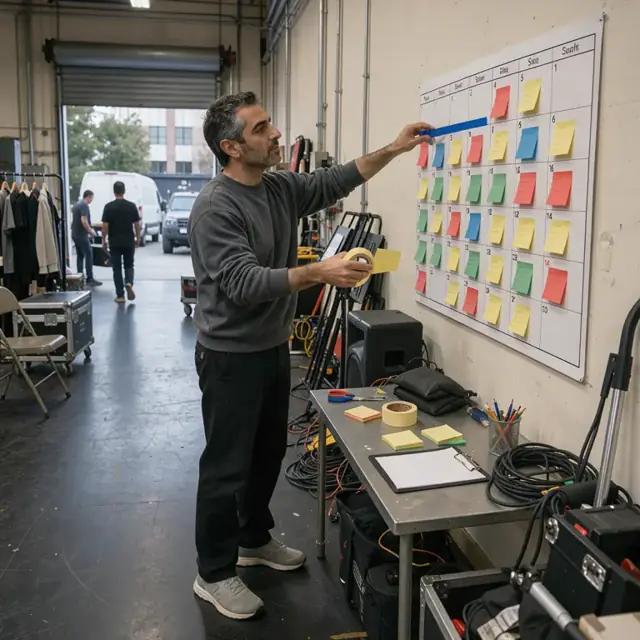
Season and Rehearsal Scheduler
Build and maintain the season calendar, rehearsal schedules and venue bookings.
Works in: Ambitious Sheets, Ambitious Tasks · Workflows: Season and rehearsal scheduling
Automates
- Maps the full production timeline from auditions through closing
- Creates individual performer and crew call sheets
- Checks for conflicts across overlapping shows
- Publishes updated calendars to the company
Stops for a person
- The director and stage manager adjust rehearsal priorities
- The producer approves the final season schedule and any major changes
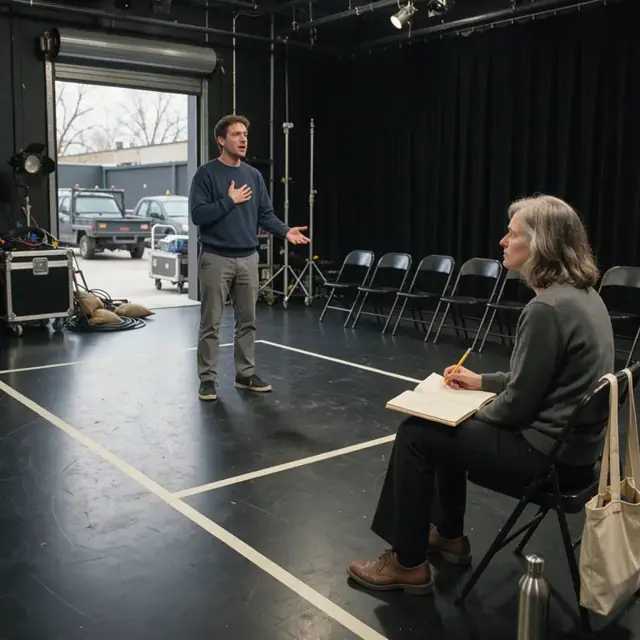
Audition and Casting Coordinator
Manage audition submissions, schedule slots and prepare materials for the casting team.
Works in: Ambitious Tasks, Ambitious Docs, Email Buckets · Workflows: Audition and casting management
Automates
- Organizes headshots and resumes into review packets
- Builds audition schedules and sends confirmations with required material
- Tracks conflicts and availability for callbacks
- Prepares the cast offer list
Stops for a person
- The director makes all final casting decisions
- The producer approves contract offers and deal memos

Technical Production Coordinator
Assemble technical plots, cue sheets and track all production elements through load-in.
Works in: Ambitious Docs, Process Optimizer, Ambitious Tasks · Workflows: Technical production and cue tracking
Automates
- Compiles lighting, sound and set documentation into a master book
- Builds the master cue list from designer notes
- Tracks status of props, costumes and scenery against deadlines
- Generates daily tech rehearsal reports
Stops for a person
- The stage manager approves the final prompt book and cue order
- The technical director confirms all equipment plots before load-in

Box Office and Sales Reconciler
Monitor ticket sales, prepare will-call, reconcile nightly receipts and generate settlement reports.
Works in: Ambitious Sheets, Ambitious Tasks, Ambitious Docs · Workflows: Ticket sales and box office operations
Automates
- Tracks sales against capacity in real time
- Generates nightly will-call and comp lists
- Reconciles cash and card batches after each performance
- Prepares royalty and producer settlement reports
Stops for a person
- The house manager or producer approves all refunds and comps
- A person verifies cash deposits and final nightly numbers

Front-of-House Manager
Coordinate ushers, audience services, concessions timing and nightly house operations.
Works in: Ambitious Tasks, Ambitious Docs, Email Buckets · Workflows: Front-of-house and audience services
Automates
- Prepares accessibility and program distribution plans
- Creates pre-show announcements and lobby instructions
- Aligns concession service with show timing
- Logs audience incidents for review
Stops for a person
- The producer reviews all front-of-house policies and announcements
- The stage manager confirms intermission and late seating timing

Marketing and Sales Campaign Lead
Create promotional materials, manage email campaigns and track ticket sales progress.
Works in: Ambitious Docs, Email Buckets, Ambitious Sheets · Workflows: Marketing and ticket sales campaigns
Automates
- Drafts season announcements, press releases and digital ads
- Builds targeted email campaigns for subscribers and past patrons
- Monitors sales data and suggests pricing adjustments
- Tracks review mentions and audience feedback
Stops for a person
- The producer approves every piece of marketing copy and imagery
- All promotional claims are verified against the licensed production
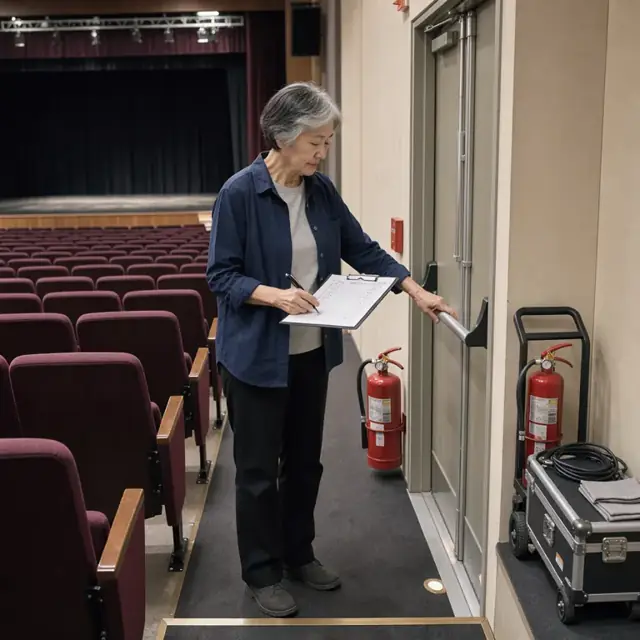
Venue Permits and Safety Clerk
Track venue permits, generate daily safety checklists and log performance-day compliance items.
Works in: Ambitious Tasks, Ambitious Docs, Ambitious Sheets · Workflows: Venue permits, safety and compliance paperwork
Automates
- Compiles permit and license application packets for each venue
- Generates the daily safety and emergency checklist
- Logs audience counts, incidents and accessibility accommodations
- Warns before permits, insurance or inspections lapse
Stops for a person
- The producer confirms which local rules apply to each venue
- Inspections, corrective actions and final filings are handled by people
- The bot never certifies compliance
Workflows
Script and performance rights licensing
Starts when: When a new title is selected for the season or a production is added
- Identify the playwright, composer and rights holder for the chosen work
- Draft the license application with performance dates, venue and expected audience size
- Track royalty terms, deposit requirements and reporting deadlines
- File the signed contract and record all performance counts for final royalty statements
- Distribute approved scripts and scores to the director and music director
Watch for: Exact audience counts and ticket sales must be reported to rights holders after closing; Changes to the script or added music require written approval from the licensor
Season and rehearsal scheduling
Starts when: At the start of each season planning cycle and for each new production
- Build the full season calendar with announcement, audition, rehearsal, tech, preview and performance dates
- Assign rehearsal spaces, venues and load-in dates while checking for conflicts
- Create individual cast and crew calendars with required calls, breaks and union-mandated rest
- Flag overlapping productions that share actors, designers or equipment
- Publish the master calendar and update for any postponements
Watch for: Union rules limit consecutive rehearsal hours and require specific break lengths; Venue availability often books months in advance
Audition and casting management
Starts when: When audition dates are announced for a production
- Collect headshots, resumes and audition requests through online forms or email
- Schedule audition slots and send confirmation with sides or music cuts
- Compile callback lists and schedule second rounds with the director
- Track availability, conflicts and contract terms for each actor
- Prepare the final cast list for offer letters
Watch for: Equity or union casting rules may require open calls or specific posting language; Sensitive personal information from performers must be handled carefully
Technical production and cue tracking
Starts when: At the start of technical rehearsals for each show
- Assemble the light, sound, video and automation plots from the designers
- Build the master cue sheet and integrate with the stage manager's prompt book
- Schedule focus, level-setting and dry tech sessions before cast arrives
- Track prop, costume and set build status against the load-in deadline
- Generate the daily rehearsal report with notes for all departments
Watch for: Cue-to-cue rehearsals must run in venue-specific conditions; Changes during tech often affect multiple departments simultaneously
Ticket sales and box office operations
Starts when: Daily during the run of a production and after each performance
- Monitor online and in-person ticket sales against house capacity
- Prepare will-call lists and handle comps, exchanges and refunds
- Reconcile nightly sales, cash deposits and credit card batches
- Generate settlement reports for the producer and rights holders
- Track subscription renewals and group sales commitments
Watch for: Accurate nightly counts are required for royalty reporting; Dynamic pricing or rush tickets may be used for low-demand nights
Front-of-house and audience services
Starts when: Each performance day
- Prepare house for accessibility seating, hearing devices and program distribution
- Coordinate ushers, house managers and concession staffing
- Draft pre-show announcements and lobby signage for the night's performance
- Track late seating policies and intermission timing with the stage manager
- Log any audience incidents or feedback for the producer
Watch for: Timing of concessions must align with show breaks for dinner-theater formats; Emergency and accessibility procedures must be posted and current
Marketing and ticket sales campaigns
Starts when: At season launch, for each new production and on a weekly cadence during the run
- Draft press releases, season brochures and digital ad copy
- Build email campaigns for subscribers and past buyers
- Track single-ticket and group sales progress against goals
- Monitor reviews and audience feedback for reputation management
- Suggest dynamic pricing or discount offers based on sales data
Watch for: All promotional materials must carry correct licensing and sponsor credits; Marketing claims about the production must match the licensed script
Venue permits, safety and compliance paperwork
Starts when: Before each venue load-in, each performance day and on renewal dates
- Compile the venue-specific permit, occupancy and fire-safety application packet
- Generate the daily performance-day safety checklist including emergency exits, rigging and accessibility
- Log audience counts, incident reports and accessibility accommodations
- Track expiration dates for all venue licenses, insurance certificates and fire inspections
- Prepare post-run reports for rights holders and local authorities
Watch for: Rules differ by city, county, state and venue type; The producer confirms which permits and safety requirements apply to each production
Bot templates for this industry
Source: U.S. Small Business Administration, Office of Size Standards, Table of Small Business Size Standards Matched to North American Industry Classification System Codes, version March 2023 (effective 2023-03-17, NAICS 2022). Size standards are shown for reference only.