

Nature Parks and Other Similar Institutions
Nature parks maintain trails, natural areas, visitor facilities, guided programs and interpretive services. They manage reservations for hikes and events within habitat and capacity limits, run daily safety and opening procedures, dispatch maintenance, track equipment and permits, plan seasonal programs around weather and wildlife windows, and follow up with visitors for feedback and stewardship. Specialists convert reservation requests into confirmed bookings and rosters, daily reports into prioritized maintenance and safety tasks, visitor data into seasonal calendars, and permit timelines while rangers and naturalists confirm all interpretive content, land-management decisions and safety sign-offs.
What makes this business different
- Seasonal scheduling of guided hikes, interpretive programs and group visits that must respect habitat protection windows, wildlife activity and weather
- Trail and facility permits, daily safety inspections, incident reports and land-stewardship documentation that must be logged before opening
- Reservation systems for limited-capacity guided tours, overnight camping and special events with cutoff dates
- Inventory of interpretive kits, safety equipment, trail tools and vehicles that must be inspected and ready each morning
- Visitor counts, feedback and safety incidents that feed weekly and seasonal reporting
- Coordination with suppliers for maintenance materials, first-aid restocking and interpretive signage updates
- Daily opening and closing procedures, emergency evacuation plans and wildlife encounter protocols that rangers must verify
Specialist bots

Reservation Coordinator
Turn every booking request into a confirmed reservation with accurate group details and required documents.
Works in: Ambitious Tasks, Ambitious Docs, Email Buckets · Workflows: Reservation intake and confirmation
Automates
- Reads incoming reservation messages and forms
- Checks capacity and seasonal restrictions
- Drafts confirmations with required gear lists and policies
- Creates visitor roster tasks with emergency contacts
Stops for a person
- The lead ranger approves any exception to capacity limits
- A person sends final confirmations and handles payment
- Special accommodation requests go to the naturalist

Daily Opening Inspector
Run each morning's trail and facility safety checklist and open the site only when all conditions are met.
Works in: Ambitious Tasks, Ambitious Docs, Ambitious Sheets · Workflows: Daily trail and facility opening
Automates
- Generates the daily opening checklist
- Records weather and overnight notes
- Flags hazards for immediate attention
- Tracks equipment and supply status
Stops for a person
- Rangers personally verify high-risk trail sections before opening
- The lead ranger confirms the site is open for the day
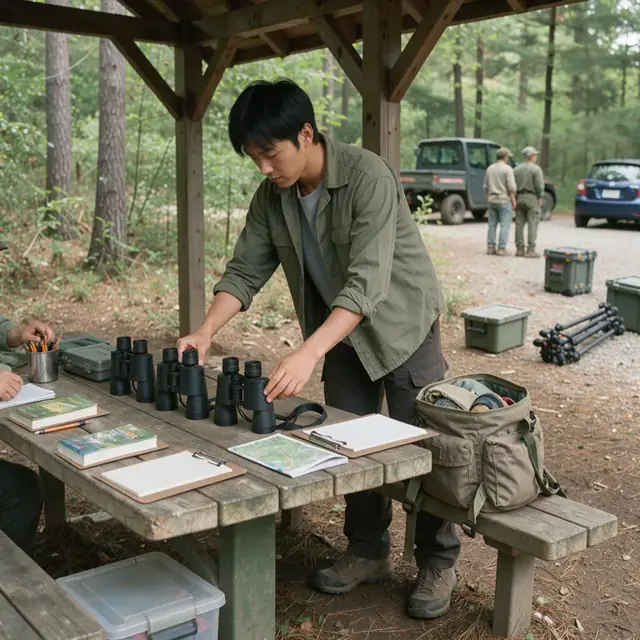
Guided Program Scheduler
Build each guided hike and interpretive program schedule with assigned staff, equipment and timing.
Works in: Ambitious Tasks, Ambitious Docs, Process Optimizer · Workflows: Guided program scheduling and preparation
Automates
- Compiles reservation lists per program
- Assigns naturalists and required interpretive kits
- Creates timed itineraries with safety and interpretive stops
- Drafts participant reminder messages
Stops for a person
- The naturalist reviews all interpretive content before use
- Final program timing is approved by the lead ranger

Maintenance Dispatcher
Turn daily inspection findings and scheduled needs into prioritized work orders and crew assignments.
Works in: Ambitious Tasks, Ambitious Sheets, Process Optimizer · Workflows: Maintenance and trail work dispatch
Automates
- Compiles reported trail and facility issues
- Prioritizes by safety and seasonal rules
- Assigns crews with tools, vehicles and time windows
- Tracks completion and updates condition logs
Stops for a person
- Crews confirm work completed and any changes encountered
- The lead ranger approves any work requiring special permits
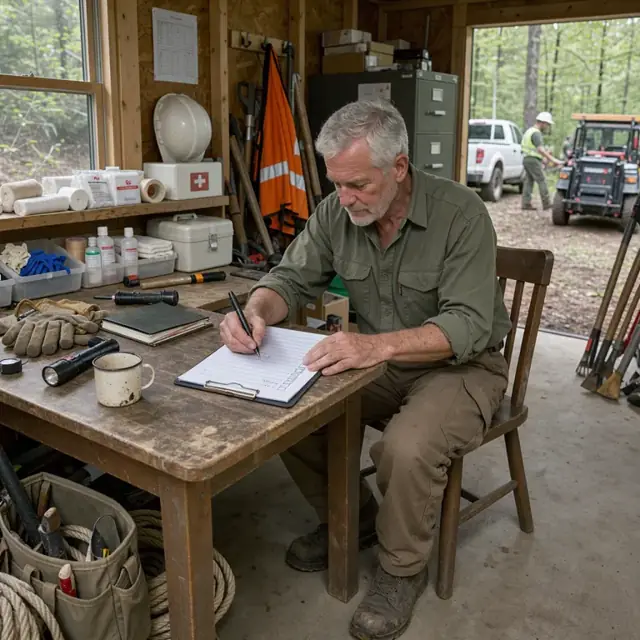
Safety and Incident Clerk
Collect daily safety logs, generate incident reports and track first-aid and emergency equipment status.
Works in: Ambitious Tasks, Ambitious Docs, Ambitious Sheets · Workflows: Safety inspection and incident logging, Permit and compliance paperwork
Automates
- Compiles ranger logs into daily and incident reports
- Tracks first-aid kit usage and restocking
- Updates evacuation plans when conditions change
- Compiles permit renewal lists and required documentation
- Flags items requiring manager review
Stops for a person
- All serious incidents are reviewed and finalized by a person
- The lead ranger confirms accuracy of safety documentation
- The lead ranger confirms which permits and reports apply
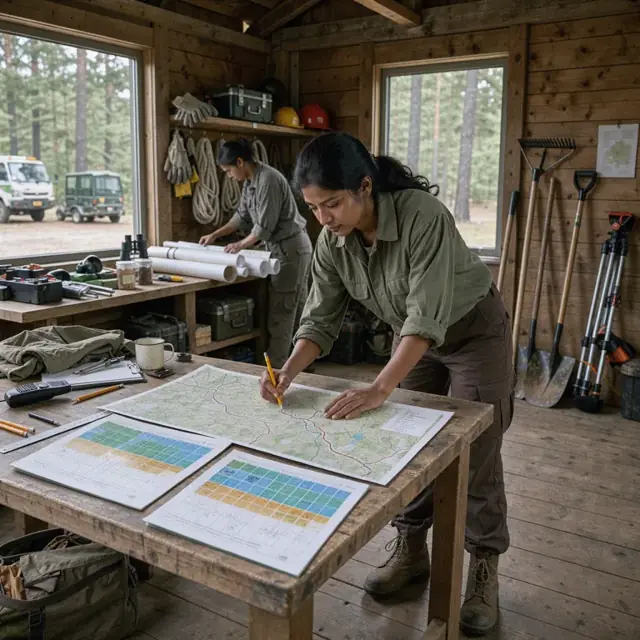
Seasonal Program and Maintenance Planner
Compile visitor trends and land needs into seasonal program calendars, project lists and permit timelines.
Works in: Ambitious Sheets, Ambitious Docs, Process Optimizer · Workflows: Seasonal program and maintenance planning
Automates
- Reviews past reservation and visitor data
- Drafts upcoming program calendar and closure dates
- Forecasts supply and project material needs
- Compiles permit and documentation renewal list
Stops for a person
- The lead ranger and naturalist approve all final program dates and interpretive themes
- Land managers confirm habitat protection windows

Visitor Feedback and Stewardship Host
Send thank-yous, collect feedback and maintain contact lists for repeat visitors and stewardship updates.
Works in: Ambitious Tasks, Email Buckets, Ambitious Docs · Workflows: Visitor feedback and stewardship outreach
Automates
- Drafts thank-you and feedback messages after programs
- Logs common visitor questions for content improvement
- Drafts seasonal newsletters about programs and projects
- Maintains updated contact lists with preferences
Stops for a person
- The owner approves every outgoing message and newsletter
- Stewardship language is confirmed to match organizational mission
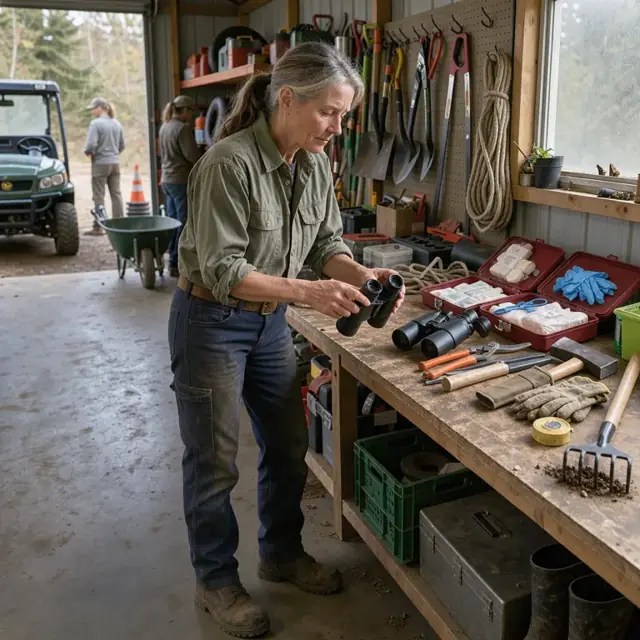
Equipment and Inventory Manager
Track and prepare interpretive kits, safety gear, trail tools and vehicles for daily and seasonal use.
Works in: Ambitious Sheets, Ambitious Tasks, Ambitious Docs · Workflows: Daily trail and facility opening, Guided program scheduling and preparation
Automates
- Maintains inventory of kits, tools, vehicles and first-aid supplies
- Generates daily readiness checklists
- Tracks restocking and maintenance due dates
- Forecasts seasonal equipment needs
Stops for a person
- Rangers personally inspect and sign off on all safety-critical equipment
- The lead ranger approves purchases and major repairs
Workflows
Reservation intake and confirmation
Starts when: A visitor submits a booking request by form, email or phone message
- Capture group size, requested date, program type and any special accommodations
- Check availability against daily capacity limits and seasonal habitat restrictions
- Confirm date against weather forecast and protection windows
- Draft confirmation with meeting location, required gear list and cancellation policy
- Create a visitor task with roster and emergency contact details
Watch for: Group size cannot exceed trail or program limits set by land managers; Requests inside the cutoff window require ranger approval
Daily trail and facility opening
Starts when: Each morning before public access
- Generate checklist for trail conditions, signage, gates and restrooms
- Record weather, recent wildlife activity and any overnight incidents
- Flag hazards or closures and draft visitor notices
- Confirm first-aid kits, interpretive kits and radios are stocked and charged
- Mark the site open only after all items are checked
Watch for: Certain trails close seasonally for nesting or erosion control; Rangers must personally verify high-risk areas
Guided program scheduling and preparation
Starts when: Weekly and seasonal program planning
- Compile reservation list for each scheduled hike or program
- Assign naturalist or ranger and required equipment kits
- Build timed itinerary with safety brief, route and interpretive stops
- Prepare any required permits or access documents for the group
- Draft pre-arrival reminder messages for participants
Watch for: Interpretive content must be reviewed by the naturalist; Program timing must align with tides, wildlife activity or sunset
Maintenance and trail work dispatch
Starts when: After daily inspection or on a scheduled cadence
- Compile reported trail issues, signage damage and facility needs
- Prioritize tasks by safety and seasonal urgency
- Assign crews, tools and vehicles with estimated time windows
- Draft work orders with location, required materials and safety notes
- Track completion and update condition logs
Watch for: Heavy equipment or herbicide use requires additional permits; Work in sensitive habitat must stay within approved windows
Safety inspection and incident logging
Starts when: End of each day and after any reported incident
- Collect ranger logs of hazards, near-misses and visitor incidents
- Generate required incident and safety reports
- Track first-aid usage and restocking needs
- Update emergency plans and evacuation routes if conditions change
- Flag items needing review by land managers
Watch for: All serious incidents must be reviewed by a person before filing; Wildlife or search-and-rescue events follow specific agency protocols
Seasonal program and maintenance planning
Starts when: Quarterly and before each season
- Review past visitor data and reservation trends
- Draft program calendar with guided hikes, events and closures
- Forecast equipment, supply and staffing needs
- Identify habitat restoration or trail projects for the coming season
- Compile permit renewal list and required documentation
Watch for: Habitat protection rules change by species and location; Final program dates and closures are approved by the lead ranger
Visitor feedback and stewardship outreach
Starts when: After each program and on a seasonal cadence
- Draft thank-you messages and feedback requests
- Log common questions to improve future interpretive content
- Track repeat visitors and donor prospects
- Draft seasonal newsletters about upcoming programs and stewardship projects
- Update mailing list with new contacts and preferences
Watch for: All outgoing messages require owner approval before sending; Stewardship language must match the organization's mission
Permit and compliance paperwork
Starts when: Weekly, on renewal dates and after incidents
- Compile list of upcoming permit, license and insurance renewals
- Generate daily safety and opening logs from checklists
- Prepare incident and stewardship reports for submission
- Track habitat protection and land-use documentation
- Flag any required agency filings or inspections
Watch for: Rules differ by federal, state, county and local agencies; The lead ranger confirms which permits and reports apply
Bot templates for this industry
Source: U.S. Small Business Administration, Office of Size Standards, Table of Small Business Size Standards Matched to North American Industry Classification System Codes, version March 2023 (effective 2023-03-17, NAICS 2022). Size standards are shown for reference only.