

Caterers
Caterers and made-to-order kitchens take custom orders, cook in batches and deliver on set days. For a kitchen that takes custom dish orders (say, build-your-own lasagnas) and delivers every other day, the specialists turn messages into confirmed orders, orders into a batch cook plan and shopping list, and the cook plan into delivery routes and reorders. Recipes, pricing and food-safety calls stay with the cook.
What makes this business different
- Custom orders with many options (sizes, fillings, sauces, dietary swaps and allergens) that must reach the kitchen exactly as ordered
- A fixed delivery cadence, such as every other day, with an order cutoff before each cook day
- Batch production: one ingredient list and cook schedule for many different custom orders
- Perishable ingredients bought just in time, with par levels and waste tracking
- Delivery routes and windows, with hot or cold holding during transport
- Allergen labeling, cottage-food or commercial-kitchen permits, food-handler cards and temperature logs
- Repeat customers who reorder favorites and gift orders for families and events
Specialist bots

Order Taker
Turn every custom order message into a confirmed, kitchen-ready order spec.
Works in: Ambitious Tasks, Ambitious Docs, Email Buckets · Workflows: Order intake and customization
Automates
- Reads incoming order messages and forms
- Fills in size, layers, sauces, swaps and allergens
- Checks the cutoff and next delivery day
- Drafts the confirmation
- Creates the order task
Stops for a person
- The cook approves off-menu requests
- Allergen questions go to the cook, never guessed
- A person sends confirmations and handles payment issues

Delivery-Day Batch Scheduler
Turn each delivery day's orders into a timed batch cook plan and labels.
Works in: Ambitious Tasks, Ambitious Docs, Process Optimizer · Workflows: Delivery-day batch schedule
Automates
- Groups orders by base recipe and pan size
- Builds the hour-by-hour cook plan
- Puts allergen-separated orders first
- Drafts labels with contents, allergens and reheat steps
Stops for a person
- The cook can reorder the plan
- Final labels are checked by a person before packing
Ingredient Buyer
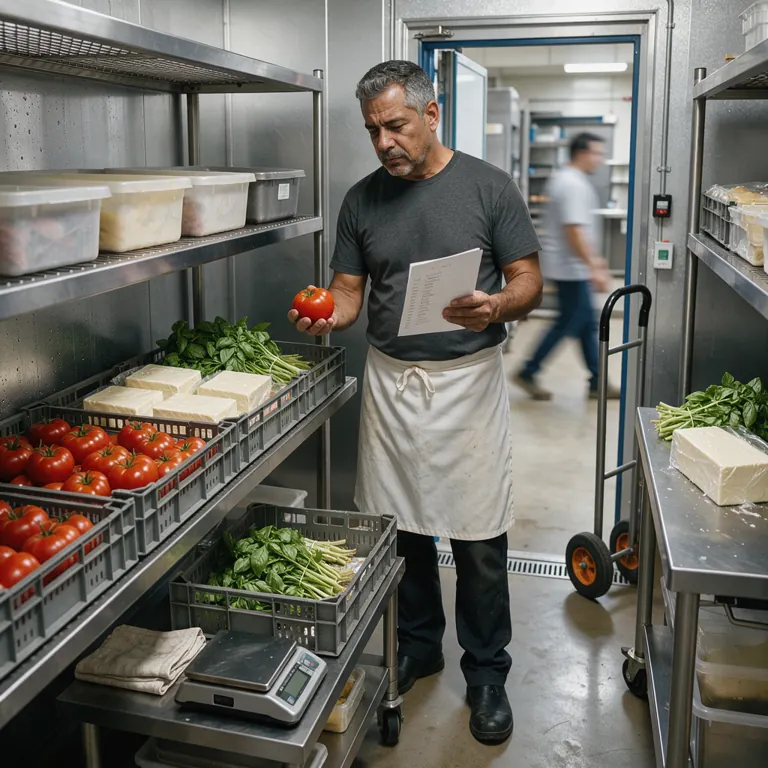
Turn the cook plan into a shopping list and keep staples and packaging at par.
Works in: Ambitious Sheets, Ambitious Tasks · Workflows: Ingredient purchasing and inventory
Automates
- Calculates ingredients per recipe
- Subtracts on-hand stock
- Drafts lists by supplier
- Tracks packaging and waste
Stops for a person
- The owner places orders and spends money
- Substitutions that change a recipe need the cook's OK
Production Capacity Planner
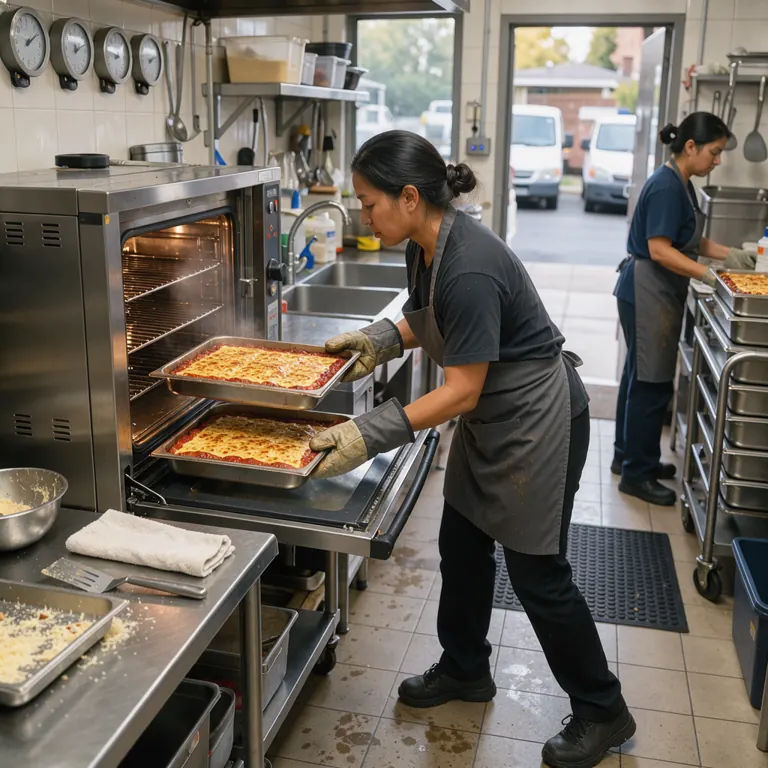
Show how many orders each delivery day can take and where the cook day bottlenecks.
Works in: Process Optimizer, Ambitious Sheets, Ambitious Tasks · Workflows: Production planning and capacity
Automates
- Compares orders to oven and fridge capacity
- Suggests daily caps
- Maps the cook-day process and finds the slowest step
Stops for a person
- The owner sets order limits

Delivery Route Planner
Plan delivery routes and windows and track each drop-off.
Works in: Ambitious Tasks, Ambitious Docs · Workflows: Delivery routing
Automates
- Groups stops by area
- Drafts the route and windows
- Drafts on-the-way messages
- Records completed deliveries
Stops for a person
- The driver decides on road and weather changes
- Messages go out only after approval

Customer Follow-up and Reorder Host
Thank customers, gather feedback and prompt regulars to reorder favorites.
Works in: Ambitious Tasks, Ambitious Docs, Email Buckets · Workflows: Customer follow-up and reorders
Automates
- Drafts thank-yous and feedback requests
- Remembers favorites and dietary notes
- Drafts reorder and holiday reminders
Stops for a person
- The owner approves every message and offer

Food Safety and Permit Clerk
Run cook-day food-safety checklists and keep permits, licenses and labels current.
Works in: Ambitious Tasks, Ambitious Docs, Ambitious Sheets · Workflows: Food safety and permit paperwork
Automates
- Generates daily checklists
- Logs temperatures
- Warns before permits, insurance or food-handler cards lapse
- Keeps allergen labels in sync with recipes
Stops for a person
- The owner confirms which local rules apply
- Inspections and corrective actions are handled by people
- The bot never certifies compliance
Workflows
Order intake and customization
Starts when: A customer orders by form, email, text or direct message
- Capture the dish, size, each customization, allergens and dietary notes
- Check the order against the menu and what the kitchen can actually make
- Confirm delivery date against the next cook day and cutoff
- Record payment status and send a confirmation draft
- Create one order task with a kitchen-ready spec
Watch for: Allergens must be captured word for word and never assumed; Orders after the cutoff roll to the next delivery day unless the cook says yes
Delivery-day batch schedule
Starts when: Order cutoff for each delivery day
- Lock the order list for the day
- Group orders by recipe base, size and pan type
- Build a timed cook plan: sauce, fillings, assembly, bake, rest, pack
- Flag orders with allergen separation needs to be made first with clean equipment
- Print labels with name, contents, allergens, reheat instructions and date
Watch for: Oven capacity and pan counts limit each batch; Allergen-free orders need separate prep
Ingredient purchasing and inventory
Starts when: After cutoff and weekly
- Explode the batch plan into an ingredient list by recipe
- Subtract what is on hand
- Draft the shopping list by store or supplier
- Track par levels for staples and packaging
- Log waste and leftovers
Watch for: Perishables bought for the cook day, not too early; Packaging (pans, lids, labels, bags) runs out quietly
Production planning and capacity
Starts when: Weekly
- Compare forecast orders to oven and fridge capacity
- Suggest a cap per delivery day
- Use the Process Optimizer to find the bottleneck step in the cook day
Watch for: Solo or small team kitchens hit capacity fast
Delivery routing
Starts when: Morning of each delivery day
- Group deliveries by area
- Draft a route with time windows
- Draft 'on the way' messages for approval
- Record delivered and any issues
Watch for: Food held at safe temperature in transit; Customers not home
Customer follow-up and reorders
Starts when: Day after delivery and on a cadence
- Draft a thank-you and feedback request
- Remind regulars when their usual order is due
- Track favorites and dietary notes for next time
- Draft event and holiday offers
Watch for: Never message without the owner's approval
Food safety and permit paperwork
Starts when: Every cook day and on renewal dates
- Generate the cook-day checklist: handwashing, sanitizer, cooling and hot-holding temps
- Log temperatures from the cook's entries
- Track permit, kitchen license, insurance and food-handler card renewal dates
- Keep allergen and ingredient labels current with recipes
Watch for: Rules differ by city, county and state, including cottage-food limits; The cook confirms which permits apply
Bot templates for this industry
- Caterers (7 bots)
Source: U.S. Small Business Administration, Office of Size Standards, Table of Small Business Size Standards Matched to North American Industry Classification System Codes, version March 2023 (effective 2023-03-17, NAICS 2022). Size standards are shown for reference only.