

Cafeterias, Grill Buffets, and Buffets
Cafeterias, grill buffets and buffets prepare large batches of menu items in advance, maintain serving lines or stations during peak hours, and manage self-service or limited table service. For an operation that rotates daily specials, stocks hot and cold lines, and serves employees, students or the public on a fixed schedule, the specialists turn supplier deliveries into inventory, forecast demand into production quantities, schedule line setup and replenishment, track sales by station, and maintain temperature and sanitation logs. Recipes, pricing decisions and food-safety calls stay with the kitchen manager.
What makes this business different
- Large batch production of entrees, sides, salads and desserts prepared hours before service
- Daily or weekly menu cycles with rotating specials that must be ready at opening
- Hot and cold holding equipment that requires continuous temperature monitoring during service
- Self-service lines or stations with frequent replenishment during peak periods
- High-volume ingredient usage with tight waste control and portioning standards
- Health department temperature logs, sanitation checklists and equipment maintenance records
- Supplier deliveries that arrive before service and must be put away quickly
- Peak-hour staffing that aligns with customer traffic patterns such as lunch rush
- Allergen information and ingredient labels for self-serve stations
- Equipment calibration and preventive maintenance schedules
Specialist bots
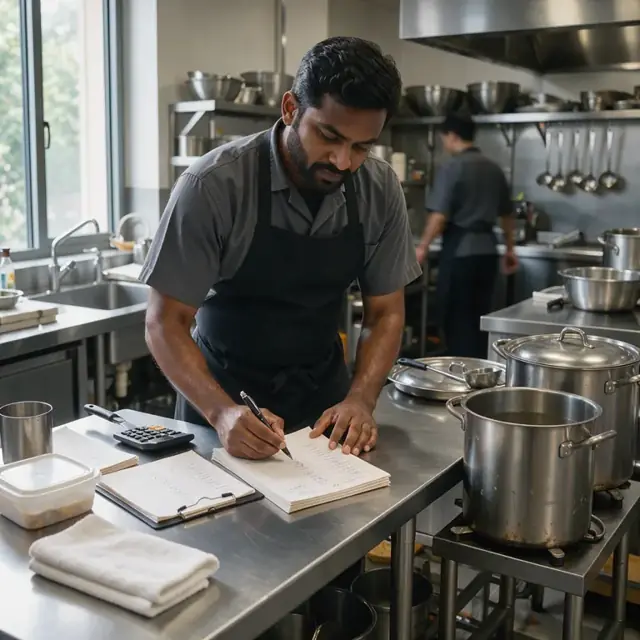
Menu and Production Forecaster
Turn historical sales and upcoming headcount into accurate daily batch quantities and production schedules.
Works in: Ambitious Sheets, Process Optimizer, Ambitious Tasks · Workflows: Menu and production planning, Batch production scheduling
Automates
- Analyzes sales by station and item from prior weeks
- Calculates scaled recipe quantities for each batch
- Sequences production timing around equipment capacity
- Generates daily prep and station setup lists
- Drafts menu board text for each station
Stops for a person
- The kitchen manager selects and approves all menu items and specials
- Final production quantities are confirmed before ordering ingredients

Receiving and Inventory Clerk
Verify every supplier delivery, update stock levels, and maintain proper rotation.
Works in: Ambitious Sheets, Ambitious Tasks, Ambitious Docs · Workflows: Inventory receiving and putaway, Supplier ordering and par management
Automates
- Matches incoming deliveries to purchase orders
- Updates master inventory after each receipt
- Calculates remaining days at current usage rate
- Drafts next purchase orders based on pars and upcoming menu
- Tracks first-in first-out rotation
Stops for a person
- A person inspects all perishable items for quality and temperature
- The kitchen manager approves any substitutions or additional spends

Serving Line Coordinator
Create station setup checklists, monitor depletion during service, and schedule timely replenishment from the kitchen.
Works in: Ambitious Tasks, Ambitious Sheets, Process Optimizer · Workflows: Serving line setup and replenishment
Automates
- Builds opening checklists for each hot and cold station
- Tracks pan times and triggers replenishment tasks
- Adjusts layout recommendations based on traffic patterns
- Records start and discard times for every pan
- Updates allergen labels at each station
Stops for a person
- Staff on the line confirm actual replenishment timing
- The manager adjusts station layout for special events
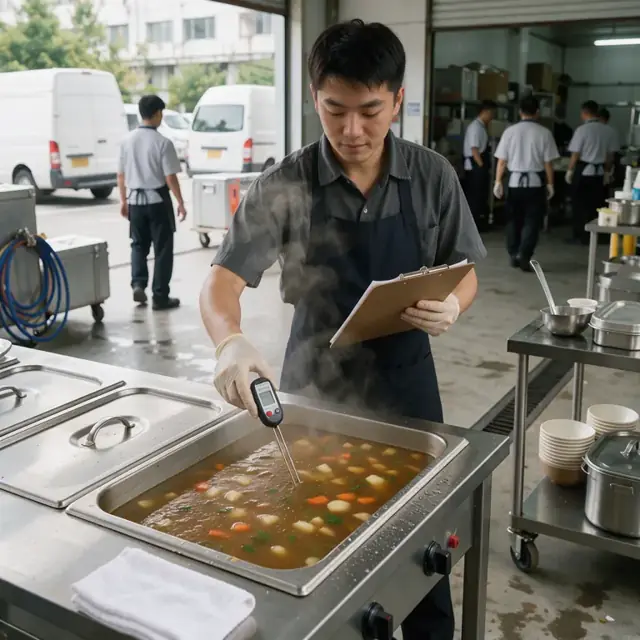
Temperature and Safety Logger
Generate and compile all required temperature, sanitation and equipment logs for each service day.
Works in: Ambitious Tasks, Ambitious Sheets, Ambitious Docs · Workflows: Temperature and sanitation monitoring, Food safety permit and compliance paperwork
Automates
- Creates daily log templates for all refrigeration and holding units
- Compiles staff entries into summary reports
- Flags any readings outside standard ranges for review
- Tracks cleaning completion and maintenance due dates
- Prepares summary packets for health department visits
Stops for a person
- Kitchen staff enter actual temperatures and sign off on logs
- The manager reviews all out-of-range entries and corrective actions
- People confirm which local health requirements apply each season
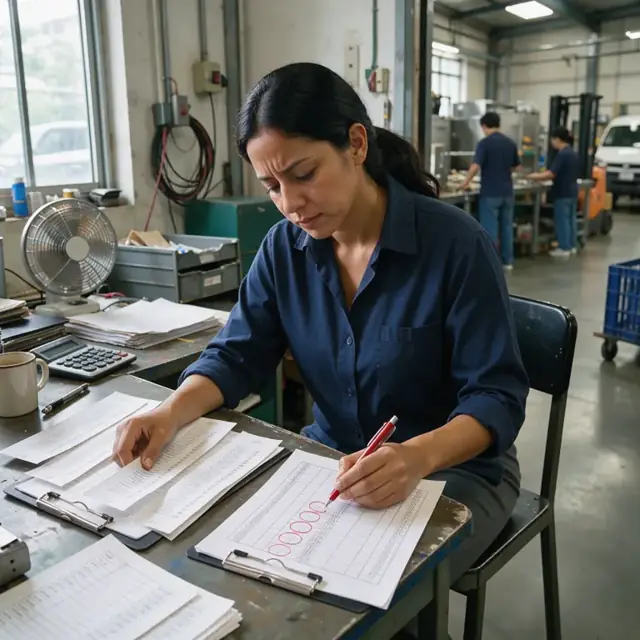
Sales and Waste Analyzer
Compare actual sales and usage against production quantities to identify waste, fast movers, and menu adjustments.
Works in: Ambitious Sheets, Process Optimizer, Ambitious Tasks · Workflows: Sales and station performance tracking
Automates
- Pulls and organizes sales data by station and item
- Calculates daily waste and leftover quantities
- Updates forecasting models with latest performance
- Highlights items that consistently underperform
- Drafts reorder suggestions for next cycle
Stops for a person
- The manager reviews all waste and sales reports before menu changes
- Final decisions on removing or adding items are made by people
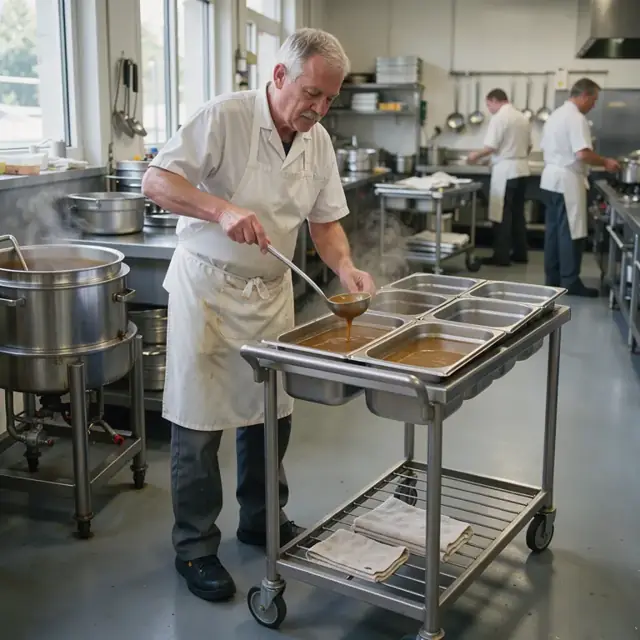
Station Prep and Replenishment Planner
Sequence all prep and replenishment tasks so every station is fully stocked at opening and throughout service.
Works in: Ambitious Tasks, Process Optimizer, Ambitious Sheets · Workflows: Batch production scheduling, Serving line setup and replenishment
Automates
- Creates timed task lists for each production station
- Aligns prep completion with line opening deadlines
- Calculates replenishment frequency based on historical usage rates
- Generates visual station layout diagrams
- Flags allergen-specific prep needs
Stops for a person
- Cooks confirm readiness of each batch before it moves to the line
- The manager approves any changes to prep sequencing
Workflows
Inventory receiving and putaway
Starts when: When a supplier delivery arrives
- Match delivery against the purchase order
- Inspect temperature and quality of perishables
- Update stock levels in the master inventory sheet
- Rotate stock using first-in first-out rules
- Flag any shortages or substitutions for the kitchen manager
- Store temperature-sensitive items immediately
Watch for: Deliveries must be processed before service begins; Frozen and refrigerated items go into proper storage immediately
Batch production scheduling
Starts when: Daily before first production shift
- Pull the daily production quantities from the master schedule
- Sequence cooking so hot items finish just before service
- Assign batch start times to each station
- Generate prep lists for cold items and desserts
- Create station setup checklists
- Flag any allergen-specific batches for separate equipment
Watch for: Oven and grill capacity must accommodate simultaneous batches; Cold items prepared in advance must stay below safe temperature thresholds
Serving line setup and replenishment
Starts when: Two hours before opening and during service
- Build checklists for each station including equipment, utensils and signage
- Schedule initial pan placement and garnishes
- Monitor depletion rates during service and trigger replenishment batches
- Record start and discard times for each pan on the line
- Adjust layout for traffic flow based on peak times
- Update allergen and ingredient labels at each station
Watch for: Hot line must stay above minimum temperature and cold line below maximum; Replenishment cannot interrupt customer flow
Temperature and sanitation monitoring
Starts when: Every cook day and each service period
- Generate daily temperature log templates for refrigerators, freezers, hot and cold holding
- Record values from staff entries at required intervals
- Create end-of-day sanitation and cleaning checklists
- Track equipment maintenance due dates
- Compile weekly summary for review
- Flag any out-of-range readings for immediate attention
Watch for: Logs must cover every required check point per local health rules; Corrective actions for out-of-range readings must be documented
Sales and station performance tracking
Starts when: After each meal period and daily close
- Pull sales data by station and item
- Compare actual usage against production quantities
- Calculate waste and leftovers
- Update forecasting model with new data
- Flag items for menu adjustment
- Draft reorder suggestions for next cycle
Watch for: Station-level tracking reveals which items move fastest during peaks; Waste tracking drives better batch sizing next cycle
Supplier ordering and par management
Starts when: Weekly and before peak seasons
- Review current inventory levels against par
- Explode upcoming menu into ingredient needs
- Draft purchase orders by supplier
- Track delivery confirmations
- Adjust pars based on sales trends and seasonality
- Maintain backup supplier list for key items
Watch for: Staples ordered on consistent cadence while perishables tied to menu; Backup suppliers needed for key items during high demand periods
Food safety permit and compliance paperwork
Starts when: Daily and on renewal or inspection dates
- Generate daily food-safety and sanitation checklists
- Track renewal dates for permits, licenses and certifications
- Compile temperature and sanitation logs for filing
- Update station labels with current allergen and nutrition information
- Prepare summary packets ahead of health department visits
Watch for: Rules differ by city, county and state for cafeterias and buffets; The kitchen manager confirms which permits and logs apply
Bot templates for this industry
Source: U.S. Small Business Administration, Office of Size Standards, Table of Small Business Size Standards Matched to North American Industry Classification System Codes, version March 2023 (effective 2023-03-17, NAICS 2022). Size standards are shown for reference only.