

Automotive Body, Paint and Interior Repair and Maintenance
Collision and restoration shops take vehicles with damage from accidents or wear, create detailed repair estimates from photos and inspections, order parts, schedule bay time across sequential stages of teardown, bodywork, paint and interior restoration, track progress with stage photos, manage insurance claims and supplements, maintain hazardous materials records, and coordinate customer pickup after final quality checks and test drives. The specialists convert intake photos and claims into estimates and work orders, schedule and dispatch across limited paint booths and lifts while accounting for cure times, explode estimates into precise parts orders with OEM numbers and track backorders, advance each vehicle through physical repair stages with photo documentation, handle insurance paperwork and approvals, run final QC and delivery steps, and keep permits, safety logs and compliance paperwork current. All physical repairs, test drives, permit filings and money approvals remain with licensed technicians and the owner.
What makes this business different
- Multi-stage sequencing with mandatory steps and cure times: teardown, structural, body, prep, paint, interior and reassembly
- Insurance estimates that require photos from multiple angles, initial approvals, and frequent supplement requests when additional damage is found
- Precise parts sourcing using OEM or aftermarket numbers with tracking of backorders that can delay an entire job
- Paint color matching by code and formula, batch mixing records, and hazardous material usage and disposal logs
- Limited bay, lift and paint booth capacity that must account for drying times, ventilation and environmental rules
- Extensive documentation including pre-repair condition reports, stage photos, key and storage logs, and signed customer releases
- State body shop licenses, technician certifications, emissions or safety inspections, and local air-quality or zoning requirements that must be tracked and renewed
Specialist bots
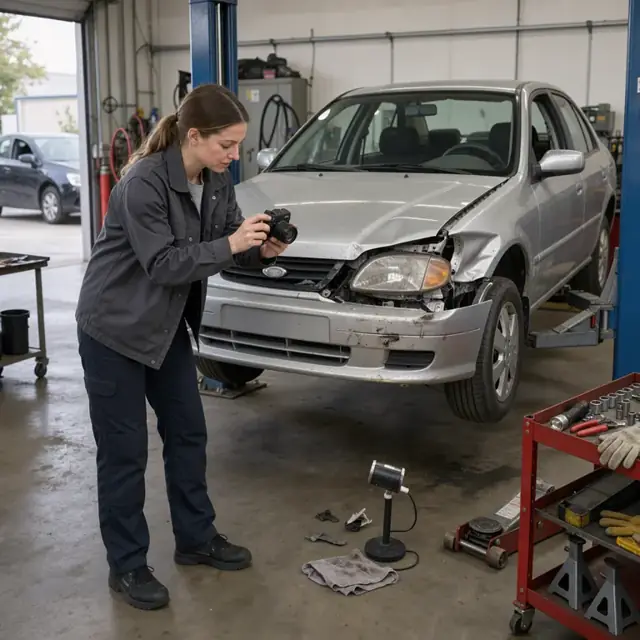
Damage Estimator
Convert damage photos, insurance data and vehicle details into a priced repair estimate and sequenced work order.
Works in: Ambitious Tasks, Ambitious Docs, Ambitious Sheets · Workflows: Vehicle intake and damage estimation
Automates
- Analyzes uploaded photos from multiple angles and matches damage to standard repair operations
- Builds the initial parts and labor estimate
- Drafts the insurance submission packet
- Creates the work order with required stage sequence and attached images
- Generates the pre-repair condition report
Stops for a person
- The owner or lead technician reviews and adjusts every estimate
- A licensed technician or owner submits the estimate to insurance and negotiates supplements
- The customer must approve the final scope of work before repairs begin
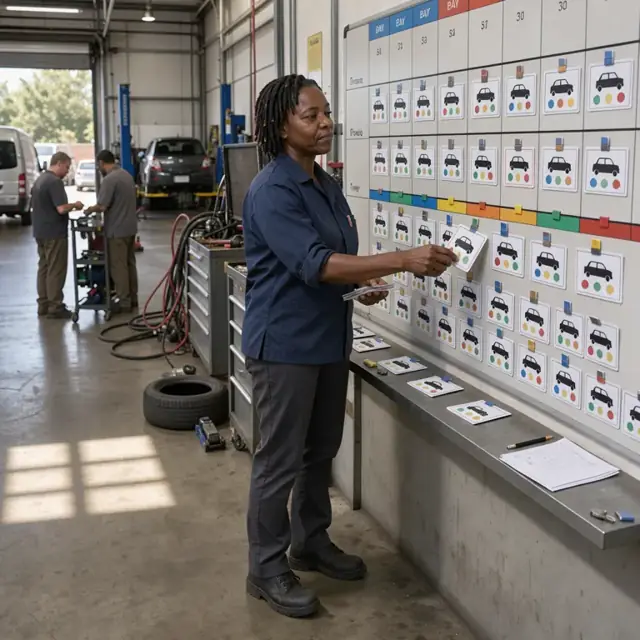
Bay and Stage Scheduler
Assign vehicles to bays and lifts while sequencing repair stages around capacity, cure times and part arrivals.
Works in: Ambitious Tasks, Ambitious Sheets · Workflows: Bay scheduling and stage dispatch
Automates
- Matches each repair type to available bay, lift and paint booth slots
- Builds a multi-day schedule that respects paint drying and ventilation requirements
- Monitors parts status and flags any delays that shift the timeline
- Drafts customer status updates showing revised completion dates
Stops for a person
- The lead technician approves the daily shop schedule
- Any changes to paint booth bookings are confirmed by a technician

Parts and Materials Coordinator
Convert approved estimates into exact parts orders, track deliveries and maintain paint and hazardous materials inventory.
Works in: Ambitious Sheets, Ambitious Tasks, Ambitious Docs · Workflows: Parts procurement and materials inventory
Automates
- Generates parts lists with correct OEM or aftermarket numbers
- Checks current stock levels and drafts purchase orders
- Tracks incoming shipments against the repair schedule
- Logs paint mixing, usage and hazardous waste disposal
Stops for a person
- The owner reviews and places every purchase order and spends money
- A technician physically inspects and confirms all received parts before use
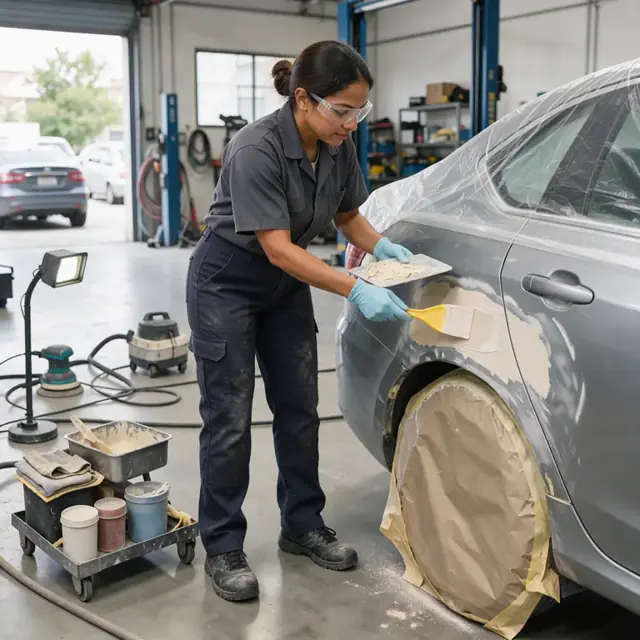
Repair Progress Tracker
Advance each vehicle through every repair stage, capture required photos and flag quality or rework issues.
Works in: Ambitious Tasks, Ambitious Docs, Process Optimizer · Workflows: Repair stage tracking and quality control
Automates
- Moves the vehicle record from teardown through body, paint, interior and final assembly
- Prompts for stage-completion photos under consistent lighting
- Identifies incomplete items or quality flags that require rework
- Updates the projected completion date based on current progress
Stops for a person
- Technicians mark each stage complete only after performing the physical work
- The owner or lead technician reviews every quality flag before the next stage begins

Insurance and Billing Clerk
Compile insurance claim packets, track approvals and prepare final invoices and release documents.
Works in: Ambitious Docs, Contract Analyzer, Ambitious Tasks · Workflows: Insurance claims and final billing
Automates
- Assembles claim files with all required photos, estimates and notes
- Monitors approval status and prepares supplement requests when additional damage appears
- Builds the final invoice from labor, parts and materials records
- Drafts lien releases, rental coordination and customer paperwork
Stops for a person
- A person reviews every insurance document before submission
- The owner approves all final invoices and any money spent or refunded
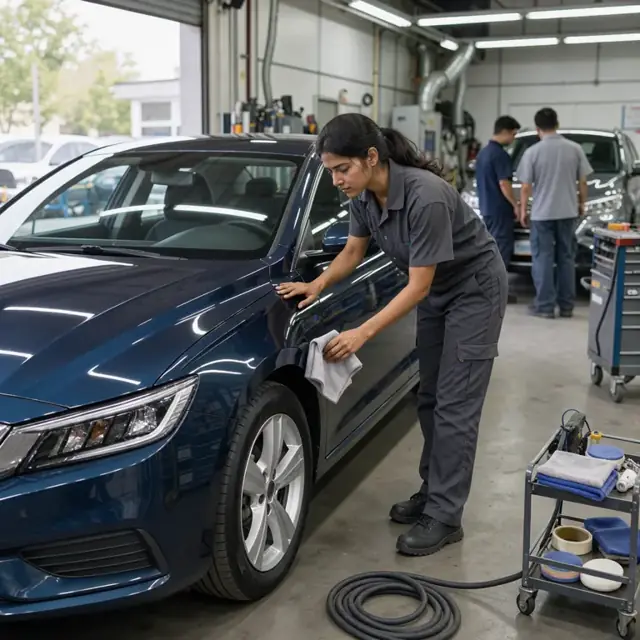
Final Inspector
Run the final quality checklist, record test drive results and prepare the customer delivery packet.
Works in: Ambitious Tasks, Ambitious Docs, Ambitious Sheets · Workflows: Final inspection and vehicle delivery
Automates
- Generates a stage-by-stage QC checklist from the original work order
- Records test drive findings and any discrepancies
- Compiles the complete final photo set and delivery documents
- Drafts the pickup or delivery appointment confirmation
Stops for a person
- A licensed technician performs the test drive and signs off on mechanical items
- The owner confirms the vehicle meets all quality standards before customer release
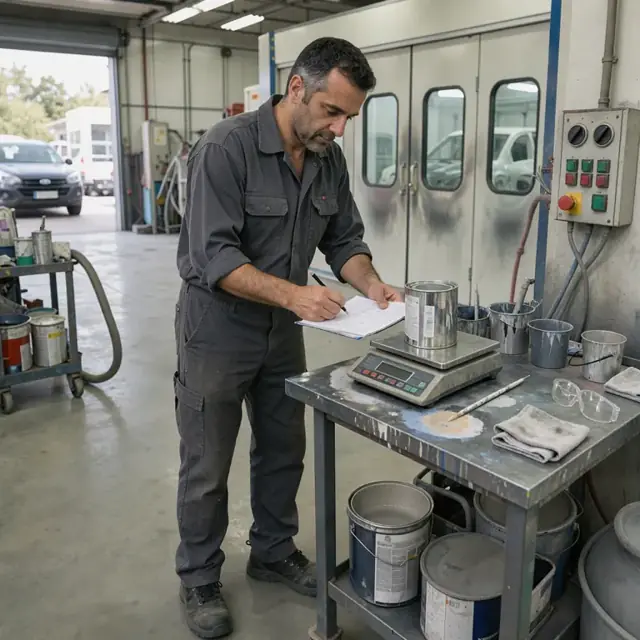
Compliance and Permit Coordinator
Maintain hazardous material logs, safety checklists, permit renewals and equipment maintenance records.
Works in: Ambitious Tasks, Ambitious Docs, Ambitious Sheets · Workflows: Shop compliance and permit tracking
Automates
- Generates weekly hazardous waste, VOC and shop safety checklists
- Tracks expiration dates for shop licenses, insurance policies and technician certifications
- Schedules equipment calibration and paint booth filter replacements
- Maintains vehicle storage logs and key inventory
Stops for a person
- The owner confirms which local, county and state regulations apply to the shop
- All physical inspections, corrective actions and filings are performed and signed by people
Workflows
Vehicle intake and damage estimation
Starts when: Customer drops off a vehicle or submits photos and insurance information
- Record VIN, mileage, customer statements and initial damage photos from multiple angles
- Match visible damage to standard labor operations and parts
- Draft the initial estimate and submit to insurance for approval
- Create a digital work order with attached photos and required repair sequence
- Document pre-repair condition, secure keys and log storage location
Watch for: Any hidden damage discovered during teardown must immediately trigger a supplement request; No major repair work can begin until insurance authorization is recorded
Bay scheduling and stage dispatch
Starts when: After estimate approval and when parts status is known
- Assign the vehicle to an available bay or lift based on repair type and required equipment
- Sequence the stages around paint booth availability and required cure or drying times
- Notify the assigned technician of the next stage and required tools or materials
- Monitor incoming parts and adjust the schedule for any delays
- Draft a customer status update for approval
Watch for: Paint booths require ventilation downtime between jobs and have strict daily capacity; Structural or frame repairs require specific lifts and take priority
Parts procurement and materials inventory
Starts when: After estimate approval and at each stage transition
- Break the approved estimate into a detailed parts list using exact OEM or aftermarket numbers
- Check current shop inventory and draft purchase orders for needed items
- Track delivery status against the repair schedule and flag backorders
- Verify received parts against the order and return any incorrect or unused items
- Rotate and log paint, primers and hazardous materials with shelf-life dates
Watch for: Backordered or superseded parts can stop the entire repair sequence; Paint and body materials must be stored and logged according to hazardous waste rules
Repair stage tracking and quality control
Starts when: At the start of each workday or when a stage is completed
- Advance the vehicle record through teardown, body, paint, interior and reassembly
- Prompt the technician to capture dated photos at the end of each major stage
- Record any quality issues or rework needed before the next stage
- Update the overall completion estimate and draft a customer notification
- Prepare the vehicle and documentation for the subsequent stage
Watch for: Paint color must be verified under multiple lighting conditions before final clear coat; Interior materials and patterns must match the original or customer specifications exactly
Insurance claims and final billing
Starts when: At estimate submission, supplement discovery and upon repair completion
- Compile claim packets that include all required photos, estimates and supporting documents
- Track insurance approval status and prepare supplement requests when needed
- Build the final invoice from recorded labor hours, parts and materials
- Prepare lienholder releases, rental coordination forms and customer release paperwork
- Draft the final customer invoice and obtain approval for release
Watch for: Different insurers require specific photo sets and documentation formats; Final payment release frequently depends on signed customer satisfaction forms
Final inspection and vehicle delivery
Starts when: After reassembly is marked complete
- Run a stage-by-stage quality checklist covering mechanical, paint, interior and alignment
- Record results of a test drive performed by a licensed technician
- Capture final photos under inspection lighting and compile the delivery packet
- Schedule customer pickup or delivery and confirm the appointment
- Obtain customer sign-off and log any post-delivery notes
Watch for: State-required safety or emissions inspections must be completed before release; Only a licensed technician may perform the post-repair test drive
Shop compliance and permit tracking
Starts when: Weekly for checklists, monthly for logs, and before renewal dates
- Generate hazardous waste, VOC emissions and shop safety checklists
- Track due dates for body shop license, liability insurance and technician certifications
- Schedule calibration of equipment and replacement of paint booth filters
- Maintain logs for customer vehicle storage, keys and chain of custody
- Draft renewal reminders and compile required filing documents
Watch for: Paint and body materials generate regulated hazardous waste that must be logged and disposed of properly; Air-quality, zoning and safety rules vary by city and county and must be confirmed by the owner
Bot templates for this industry
Source: U.S. Small Business Administration, Office of Size Standards, Table of Small Business Size Standards Matched to North American Industry Classification System Codes, version March 2023 (effective 2023-03-17, NAICS 2022). Size standards are shown for reference only.