

Electronic and Precision Equipment Repair and Maintenance
Shops that repair and maintain electronic and precision equipment receive customer-owned gear, log serial numbers and symptoms, source parts, schedule bench work, perform repairs or calibrations using certified test equipment, document every step against manufacturer procedures, and return the items via shipment, pickup or on-site dispatch. Specialists turn intake forms into tagged work orders, convert approved diagnoses into parts orders and bench schedules, track inventory and calibration due dates, compile audit-ready records, and handle customer notifications. Repair procedures, test equipment accuracy and any required authorizations stay with the technicians.
What makes this business different
- Intake of customer-owned equipment with serial numbers, symptoms, accessories and service history that must be tracked to prevent mix-ups
- Diagnosis, repair and calibration that follow exact manufacturer service manuals and require periodically certified test and measurement equipment
- Parts sourcing from multiple vendors with long lead times, core returns, warranty claims and ESD-safe handling
- Bench and clean-room scheduling around limited technician certifications, shared test equipment and ESD or environmental controls
- Detailed repair logs, calibration certificates, test data and chain-of-custody records for customer or industry audits
- Shipping, local pickup or on-site dispatch with proper packing, insurance and site-access coordination
- Repeat business from laboratories, manufacturers and medical offices that expect priority turnaround and preventive maintenance reminders
Specialist bots

Intake Coordinator
Convert every customer repair request into a tagged work order with complete equipment and symptom details.
Works in: Ambitious Tasks, Ambitious Docs, Email Buckets · Workflows: Equipment intake and diagnosis
Automates
- Reads incoming requests and extracts make, model, serial number and symptoms
- Creates and numbers the work order with attached tag template
- Drafts the initial inspection checklist
- Generates the estimate template for approval
Stops for a person
- A technician performs the actual diagnosis and approves the estimate
- The owner approves any high-value or unusual intake terms
- A person signs chain-of-custody documents
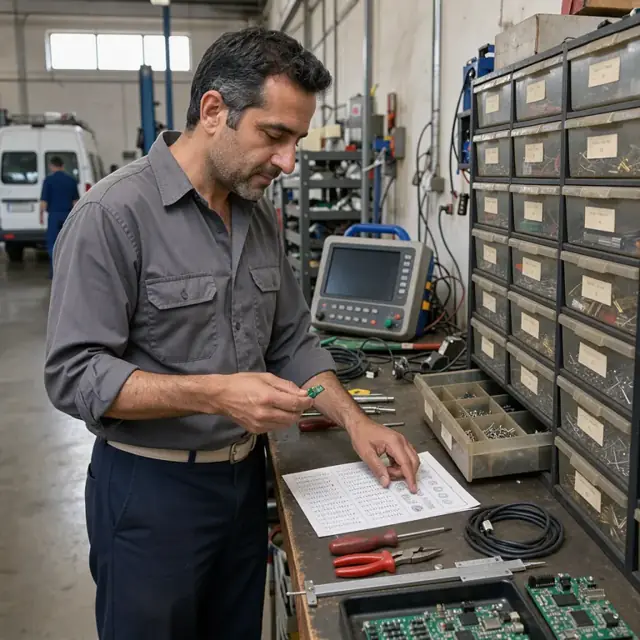
Parts and Inventory Manager
Turn approved repair orders into accurate parts lists, purchase orders and inventory updates.
Works in: Ambitious Sheets, Ambitious Tasks, Ambitious Docs · Workflows: Parts procurement and inventory
Automates
- Explodes service manuals into required component lists
- Checks current stock levels and drafts supplier orders
- Tracks arrivals and matches them to specific work orders
- Manages core returns and low-stock alerts
Stops for a person
- The owner places and pays for all purchases
- Technicians confirm part substitutions before installation
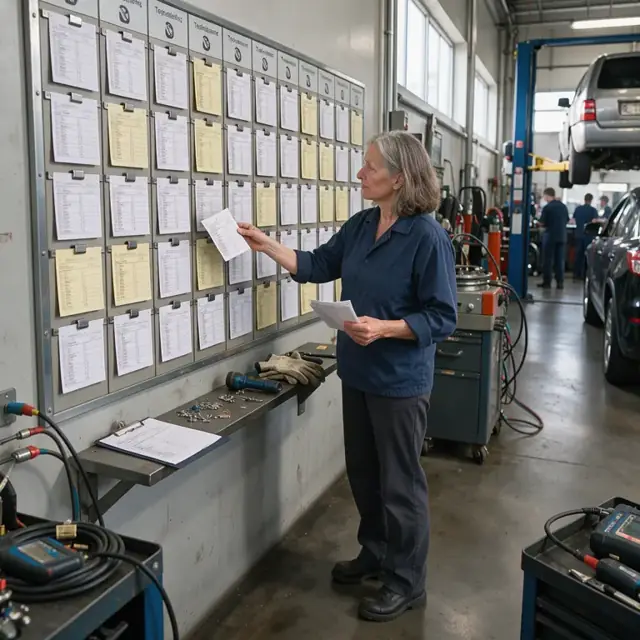
Bench and Calibration Scheduler
Assign work orders to the right technician and bench while respecting certifications, tools and due dates.
Works in: Ambitious Tasks, Ambitious Sheets · Workflows: Bench and technician scheduling
Automates
- Matches equipment requirements to technician certifications and available benches
- Sequences jobs around shared test equipment availability
- Tracks calibration due dates for customer gear and shop instruments
- Creates daily technician task lists
Stops for a person
- Lead technicians review and adjust the schedule
- The owner sets priority for contract customers
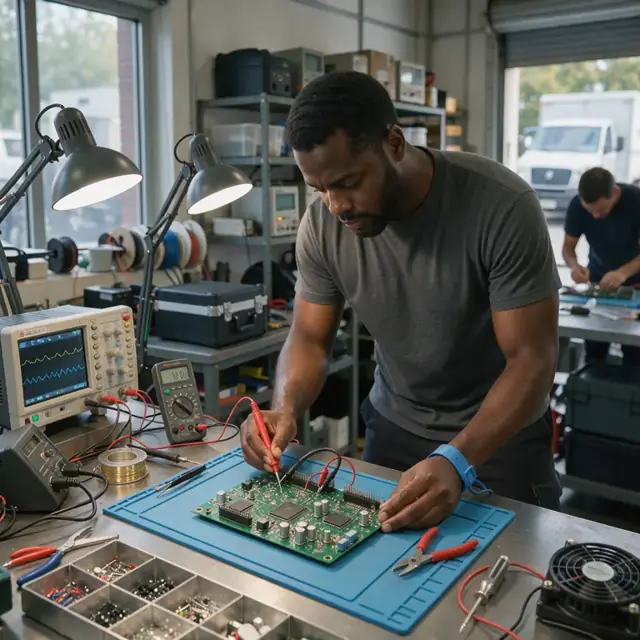
Repair and Test Technician
Execute standardized repair and calibration procedures using manufacturer manuals and document test results.
Works in: Ambitious Tasks, Ambitious Docs, Process Optimizer · Workflows: Repair execution and testing
Automates
- Pulls the correct manufacturer procedure for the specific model
- Creates step-by-step repair task list
- Logs test readings and calibration values
- Drafts the repair summary and certificate
Stops for a person
- The technician performs all physical repair and testing steps
- A second technician or supervisor reviews critical test data
- The owner approves final repair reports sent to customers

Dispatch and Shipping Coordinator
Prepare repaired equipment for safe return, generate shipping documents and schedule on-site service.
Works in: Ambitious Tasks, Ambitious Docs, Email Buckets · Workflows: Dispatch, shipping and return
Automates
- Creates packing lists and required shipping forms
- Drafts insurance and chain-of-custody documents
- Schedules courier or on-site technician visits
- Generates customer return notifications
Stops for a person
- A person physically packs and labels every shipment
- The owner approves all shipping insurance values
- Technicians confirm on-site dispatch details
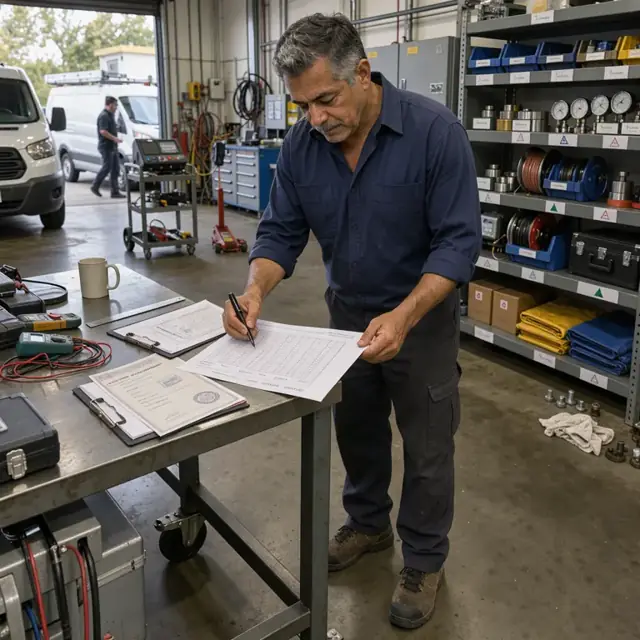
Quality Records and Calibration Clerk
Organize repair histories, calibration certificates and track renewal dates for certifications and test equipment.
Works in: Ambitious Docs, Ambitious Sheets, Ambitious Tasks · Workflows: Quality records and calibration tracking
Automates
- Compiles all repair steps, readings and parts into a permanent record
- Tracks technician and test equipment renewal dates
- Organizes records by serial number for audits
- Flags upcoming preventive maintenance
Stops for a person
- The owner confirms all customer or regulatory record requirements
- Technicians verify accuracy of entered test data
- People handle any reporting or certification submissions

Customer Success and Follow-up Specialist
Send approved communications, gather feedback and prompt customers for repeat or preventive service.
Works in: Email Buckets, Ambitious Tasks, Ambitious Docs · Workflows: Customer follow-up and preventive service
Automates
- Drafts thank-you messages and survey links
- Generates service reminders based on equipment history
- Tracks common failure patterns for the shop
- Prepares upsell and contract renewal drafts
Stops for a person
- The owner approves every message before sending
- Technicians review technical accuracy of any service recommendations
- People handle all contract negotiations
Workflows
Equipment intake and diagnosis
Starts when: A customer submits a repair request by form, email, phone or drop-off
- Capture make, model, serial number, symptoms, accessories and service history
- Assign a unique work order number and attach physical tag to the equipment
- Perform initial visual and functional inspection
- Draft diagnosis summary and cost estimate
- Send the estimate for customer approval before any disassembly
Watch for: Serial numbers and customer equipment must never be swapped; High-value or sensitive items require signed chain-of-custody at intake
Parts procurement and inventory
Starts when: After diagnosis approval and weekly
- Identify required parts from manufacturer diagrams and service manuals
- Check in-house inventory levels
- Draft purchase orders for vendors and track incoming shipments against each work order
- Handle core returns and warranty claims on replaced components
- Update inventory records and flag low-stock critical parts
Watch for: Many parts have long lead times and must be ordered early; ESD-safe storage and handling procedures for electronic components
Bench and technician scheduling
Starts when: After parts arrival or on weekly bench review
- Match each work order to technician certifications and required tools or stations
- Sequence jobs around shared test equipment availability and due dates
- Flag rush or priority orders from contract customers
- Generate daily technician task lists and calibration reminders
- Adjust schedule for clean-room or ESD-safe requirements
Watch for: Certain repairs require ESD-safe stations or clean-room conditions; Technician certifications limit which equipment they can service
Repair execution and testing
Starts when: When a work order is assigned to a technician
- Pull and follow the exact manufacturer service manual steps for the model
- Replace or calibrate components using certified test and measurement tools
- Perform functional and safety tests after repair
- Document each step, readings, replaced parts and test results in the work order
- Draft a repair summary and test certificate for review
Watch for: All test equipment must be within its own calibration window; Repairs must match the exact procedures the owner confirms
Dispatch, shipping and return
Starts when: After successful test and customer approval of final invoice
- Prepare equipment for shipment or pickup with proper packing materials
- Generate shipping labels, insurance forms and chain-of-custody documents
- Schedule on-site dispatch when repair cannot leave the customer site
- Draft return notification, invoice and any required test certificates
- Close the work order and update customer equipment history
Watch for: Delicate precision instruments require specialized packaging; Local dispatch must coordinate with customer site access requirements
Quality records and calibration tracking
Starts when: End of each repair and on fixed calendar dates
- Compile full repair history, test data, calibration certificates and parts replaced
- Track manufacturer warranty status and prepare claims
- Monitor expiration dates for technician certifications and shop test equipment
- Organize records by equipment serial number for audit readiness
- Flag upcoming preventive maintenance for contract customers
Watch for: Record formats and retention periods vary by equipment type and customer industry; The owner confirms all customer-specific or regulatory requirements
Customer follow-up and preventive service
Starts when: After return or on a service cadence
- Draft thank-you note and satisfaction survey
- Remind contract customers of upcoming calibration or preventive maintenance
- Update equipment history with repair notes for future reference
- Draft offers for accessories or service contracts
- Log feedback and common failure modes for process review
Watch for: Never send communications without owner approval; Medical, laboratory or aerospace customers often require specific reporting formats
Bot templates for this industry
Source: U.S. Small Business Administration, Office of Size Standards, Table of Small Business Size Standards Matched to North American Industry Classification System Codes, version March 2023 (effective 2023-03-17, NAICS 2022). Size standards are shown for reference only.