

Commercial and Industrial Machinery and Equipment (except Automotive and Electronic) Repair and Maintenance
Repair shops that service industrial pumps, compressors, conveyors, packaging machines, HVAC units and production equipment on customer sites or in the shop. For a service operation that handles emergency breakdowns, scheduled preventive maintenance and rebuilds, the specialists turn service requests into dispatched jobs with parts and tools, track work against manufacturer procedures, manage inventory of common components, schedule follow-up inspections and keep all safety and maintenance logs current. Repair procedures, torque specs and lockout-tagout rules stay with the technician.
What makes this business different
- Service calls that range from emergency breakdowns with tight response windows to scheduled preventive maintenance visits
- Work performed on customer premises requiring site access, safety orientations and sometimes permits or escorts
- Parts and components that must be sourced quickly for breakdowns or stocked for common models
- Detailed service reports that include before-and-after photos, meter readings, torque values and replaced parts
- Manufacturer maintenance schedules, technical bulletins and warranty requirements that must be followed exactly
- Lockout-tagout procedures, confined-space permits, PPE checklists and hazardous-energy control documentation for every job
- Repeat customers with fleets of identical machines that need consistent service history and parts kits
Specialist bots

Service Request Intake Coordinator
Convert every customer breakdown or maintenance request into a scoped, scheduled job with complete equipment details.
Works in: Ambitious Tasks, Ambitious Docs, Email Buckets · Workflows: Service request intake and quoting
Automates
- Reads incoming calls, emails and form submissions
- Pulls machine history by serial number
- Drafts the scope of work and cost estimate
- Books the technician slot based on urgency
- Creates the job task with all attachments
Stops for a person
- A technician reviews and adjusts the scope and price before it is sent
- The owner approves any expedited-response commitments
- A person makes the final confirmation call to the customer
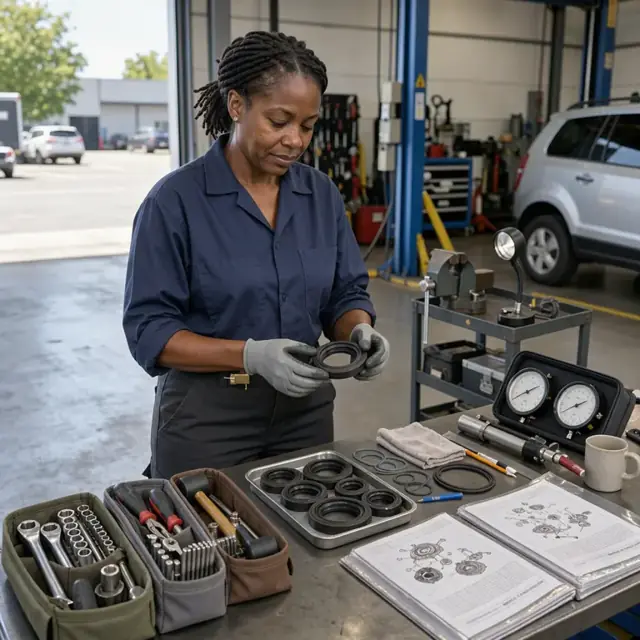
Dispatch and Job Preparation Planner
Assign technicians, prepare parts kits and compile all safety and procedure documents for each job.
Works in: Ambitious Tasks, Ambitious Sheets · Workflows: Job dispatch and preparation
Automates
- Matches technician skills and location to the job
- Builds the required parts and tool list
- Attaches lockout-tagout cards and service manual pages
- Generates the pre-job packet for the technician
- Checks customer site access requirements
Stops for a person
- The lead technician confirms the parts kit is correct
- The owner approves any special travel or overtime costs
- A person verifies site safety orientation is current
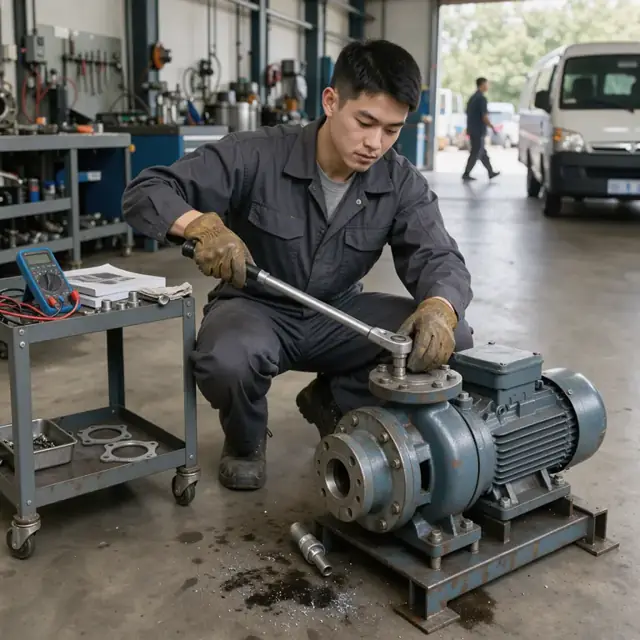
on-site service Documenter
Capture every step of the on-site repair or maintenance in a standardized report with photos and measurements.
Works in: Ambitious Tasks, Ambitious Docs, Ambitious Sheets · Workflows: On-site repair and maintenance
Automates
- Prompts for lockout-tagout verification steps
- Organizes before-and-after photos by task
- Formats torque values, pressures and meter readings into the report template
- Flags any deviations from manufacturer procedure
- Prepares the customer sign-off form
Stops for a person
- The technician personally verifies all safety steps and signs the checklist
- A supervisor reviews any deviation from standard procedure
- The customer reviews and signs the completed report
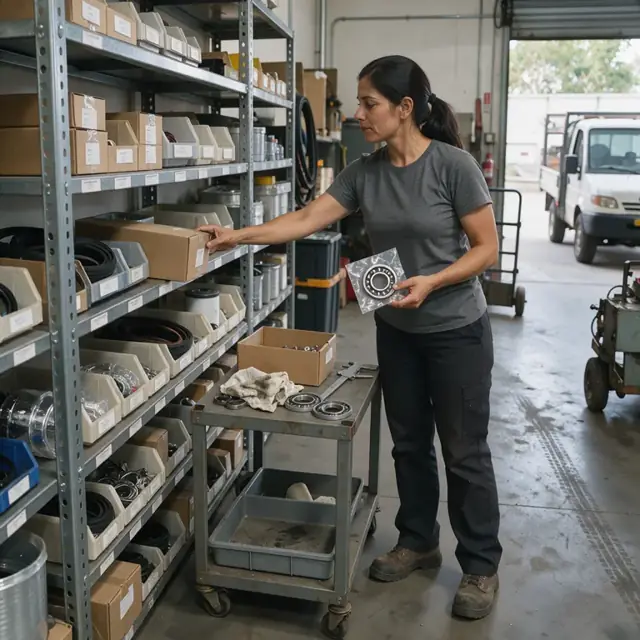
Parts and Inventory Manager
Maintain correct stock levels on service trucks and in the shop and generate timely reorder lists.
Works in: Ambitious Sheets, Ambitious Tasks, Ambitious Docs · Workflows: Parts purchasing and inventory management
Automates
- Calculates usage from completed jobs
- Compares current stock to par levels by machine type
- Drafts purchase orders by vendor
- Tracks warranty returns and core credits
- Flags items approaching shelf-life limits
Stops for a person
- The owner approves every purchase order before it is sent
- A technician confirms that emergency parts match the failed component
- A person physically counts and adjusts inventory during cycle counts

Service Report and Compliance Clerk
Assemble complete service reports, maintenance logs and required safety documentation after every job.
Works in: Ambitious Docs, Ambitious Tasks, Ambitious Sheets · Workflows: Service reporting and compliance paperwork
Automates
- Merges field notes, photos and test data into final report format
- Attaches signed customer forms and permits
- Updates the machine maintenance history log
- Creates follow-up task reminders for future inspections
- Archives the packet according to retention schedule
Stops for a person
- The technician reviews the report for accuracy before it is sent
- The owner confirms which customer-specific formats are required
- A person submits reports to customers or regulatory bodies

Preventive Maintenance Scheduler
Track all customer machines and generate optimized preventive maintenance routes and kits.
Works in: Ambitious Sheets, Ambitious Tasks · Workflows: Preventive maintenance scheduling
Automates
- Monitors hours and calendar intervals for each machine
- Groups upcoming PMs by region or customer site
- Builds the parts kit list for each visit
- Drafts notification messages for customers
- Adjusts the master calendar after completion
Stops for a person
- The owner sets the final schedule and any priority changes
- A technician confirms the PM kit matches the machine model
- A person makes the confirmation call to schedule the visit

Warranty and Claims Administrator
Prepare, submit and track manufacturer warranty claims for replaced parts and labor.
Works in: Ambitious Docs, Ambitious Tasks, Contract Analyzer · Workflows: Warranty and vendor claims processing
Automates
- Collects required failure photos, serial numbers and test data
- Fills out the manufacturer's claim form using stored templates
- Tracks submission status and follow-up dates
- Records credits against inventory once received
- Flags repeat failures for further review
Stops for a person
- The technician verifies the failure description is accurate
- The owner approves every claim before submission
- A person follows up with the vendor on disputed claims
Workflows
Service request intake and quoting
Starts when: A customer calls, emails or submits a web form about a machine issue
- Capture machine make, model, serial number, symptoms and any error codes
- Check against known common failures for that equipment type
- Draft a scope of work and estimated cost for approval
- Schedule the visit based on urgency and technician availability
- Create a job task with all customer and equipment details attached
Watch for: Critical equipment often requires same-day or next-day response; Quotes must separate labor, parts and travel clearly
Job dispatch and preparation
Starts when: A job is approved and scheduled
- Assign the job to the appropriate technician based on expertise and location
- Pull or order the required parts, tools and calibration equipment
- Attach manufacturer procedures, safety data sheets and lockout-tagout instructions
- Send the technician a pre-job packet with site requirements and PPE needs
- Confirm customer access and any required permits or escorts
Watch for: Technicians must arrive with correct parts the first time when possible; Some sites require specific safety training or badges before entry
On-site repair and maintenance
Starts when: Technician arrives at customer site or shop job begins
- Perform lockout-tagout and complete the safety checklist
- Document initial machine condition with photos and readings
- Follow manufacturer steps to diagnose, repair or perform preventive maintenance
- Record all replaced parts, torque values, adjustments and test results
- Restore power, test the machine and take final performance photos
Watch for: Every repair must follow the exact sequence in the service manual; Hazardous energy sources must be verified isolated before work begins
Parts purchasing and inventory management
Starts when: After job closeout and on a weekly cadence
- Review consumed parts from completed jobs
- Replenish truck stock and shop inventory to established par levels
- Draft purchase orders for vendor restocks and emergency parts
- Track core returns and warranty claims on replaced components
- Flag slow-moving or obsolete inventory for review
Watch for: Common wear parts must be on the truck for the most serviced machine models; Some components have shelf-life or calibration dates that must be tracked
Service reporting and compliance paperwork
Starts when: After each job is completed
- Compile all field notes, photos, meter readings and test data into a report
- Attach signed customer acknowledgment and any required permits
- Log the service against the machine's maintenance history
- Flag any follow-up inspections or parts that will be needed soon
- Archive the full packet for warranty or regulatory review
Watch for: Many customers require specific report formats or digital upload portals; Safety and maintenance logs must be retained for multiple years
Preventive maintenance scheduling
Starts when: Weekly and on equipment anniversary dates
- Review all active customer machines and their maintenance calendars
- Generate upcoming PM work orders with required tasks and parts kits
- Suggest optimal grouping of jobs by geographic area or machine type
- Notify customers of upcoming service windows
- Update master schedule after each PM is completed
Watch for: Some machines have strict hourly or calendar-based intervals that cannot be missed; PM visits often include multiple machines at the same facility
Warranty and vendor claims processing
Starts when: When a replaced part is under warranty or after a major repair
- Gather all documentation required by the manufacturer
- Draft the claim with serial numbers, failure details and labor hours
- Track submission, follow-up and credit status
- Update inventory once credit is received
- Flag repeat failures for engineering review
Watch for: Claims must be filed within strict manufacturer time limits; Photos and detailed failure descriptions are almost always required
Bot templates for this industry
Source: U.S. Small Business Administration, Office of Size Standards, Table of Small Business Size Standards Matched to North American Industry Classification System Codes, version March 2023 (effective 2023-03-17, NAICS 2022). Size standards are shown for reference only.