

Home and Garden Equipment Repair and Maintenance
Repair shops that service and fix small engine outdoor power equipment such as lawn mowers, chain saws, leaf blowers, pressure washers, string trimmers and tillers take customer drop-offs or field calls, schedule repairs, source parts, perform diagnostics and reconditioning, and return equipment ready for the next season. The specialists turn intake requests into work orders with required parts, parts orders into inventory updates, work orders into technician schedules and completed repairs into invoices and preventive-maintenance reminders. Safety data sheets, emissions standards and shop equipment stay with the owner.
What makes this business different
- Customer equipment arrives with specific symptoms, model numbers, serial numbers and repair history that must be captured exactly
- Seasonal peaks in spring for mower and trimmer service and in fall for blower and chain-saw work
- Parts sourcing for discontinued models with long lead times and core returns
- Shop equipment including lifts, tire machines, sharpeners and diagnostic tools that require calibration and maintenance
- Emissions, noise and safety compliance paperwork that changes by model year and jurisdiction
- Customer pickup or delivery windows that must be confirmed before work begins
- Warranty claims that require photos, serial verification and manufacturer forms
Specialist bots

Intake and Estimate Specialist
Capture every customer equipment request and turn it into a priced, authorized work order with photos.
Works in: Ambitious Tasks, Ambitious Docs, Ambitious Sheets · Workflows: Intake, diagnosis and repair estimate
Automates
- Reads incoming call notes, emails and form submissions
- Pulls model-specific common failures and part lists
- Builds the line-item estimate
- Drafts authorization and pickup confirmation
- Creates the tagged work-order task
Stops for a person
- A technician verifies safety concerns before moving equipment
- The owner approves any estimate over a certain complexity
- A person obtains customer signatures on authorizations

Parts and Inventory Coordinator
Convert approved work orders into accurate supplier orders and maintain shop parts stock levels.
Works in: Ambitious Sheets, Ambitious Tasks, Ambitious Docs · Workflows: Parts ordering and inventory control
Automates
- Explodes multiple work orders into part kits by model
- Checks current stock and pending receipts
- Drafts purchase orders by vendor
- Updates inventory upon arrival and flags back orders
Stops for a person
- The owner places and pays for every parts order
- Core returns and hazardous disposal are handled by a technician
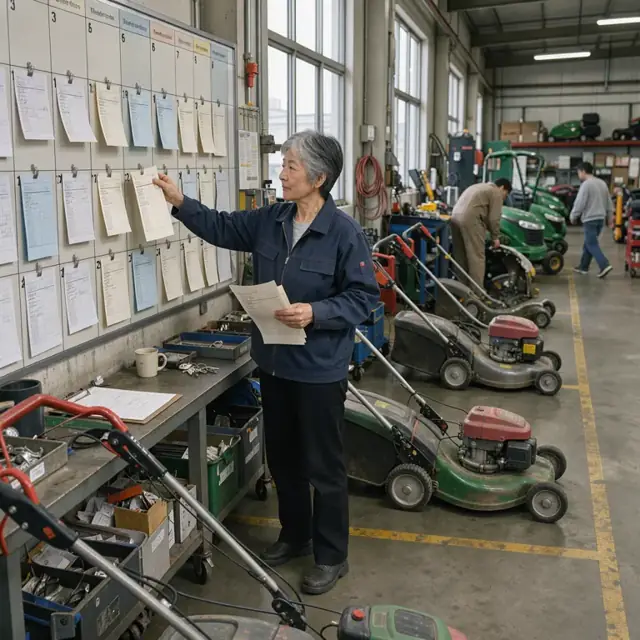
Repair Scheduler and Dispatcher
Assign work orders to technicians daily while balancing shop capacity, tools and seasonal demand.
Works in: Ambitious Tasks, Process Optimizer, Ambitious Sheets · Workflows: Technician scheduling and workflow
Automates
- Matches jobs to technician certifications and current workload
- Sequences repairs to reduce equipment movement
- Tracks time estimates against actuals
- Highlights jobs needing shared shop equipment
Stops for a person
- Technicians confirm assignments each morning
- The owner adjusts priorities for urgent or warranty jobs
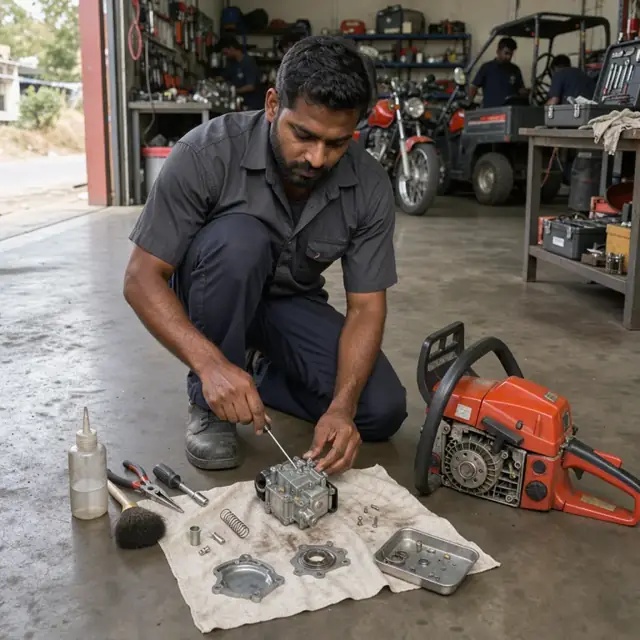
Service Execution Specialist
Guide each repair through correct disassembly, replacement and testing steps using model-specific procedures.
Works in: Ambitious Tasks, Ambitious Docs, Ambitious Sheets · Workflows: Service execution and quality check
Automates
- Pulls the exact service manual steps for the entered model
- Creates a step-by-step checklist with torque values
- Logs test results and captures required photos
- Flags any deviation from standard procedure
Stops for a person
- The technician performs all physical work and final tests
- A second person performs final quality inspection before tagging ready
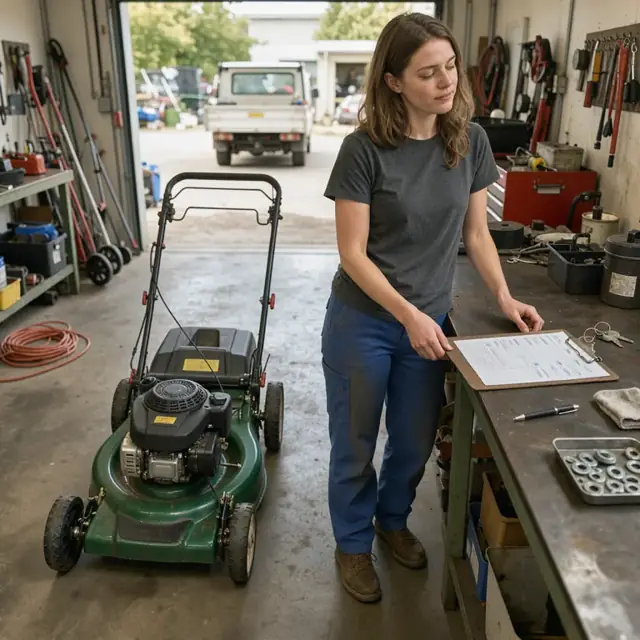
Billing and Customer Closeout Specialist
Generate accurate final invoices, prepare pickup paperwork and close each repair order.
Works in: Ambitious Tasks, Ambitious Docs, Contract Analyzer · Workflows: Final billing, pickup and documentation
Automates
- Compiles parts used and time logged into an itemized invoice
- Attaches any warranty documents or emissions forms
- Drafts pickup and balance-due reminders
- Updates inventory and customer history upon completion
Stops for a person
- The owner reviews and sends every invoice
- A person collects payment and obtains customer signature on release forms
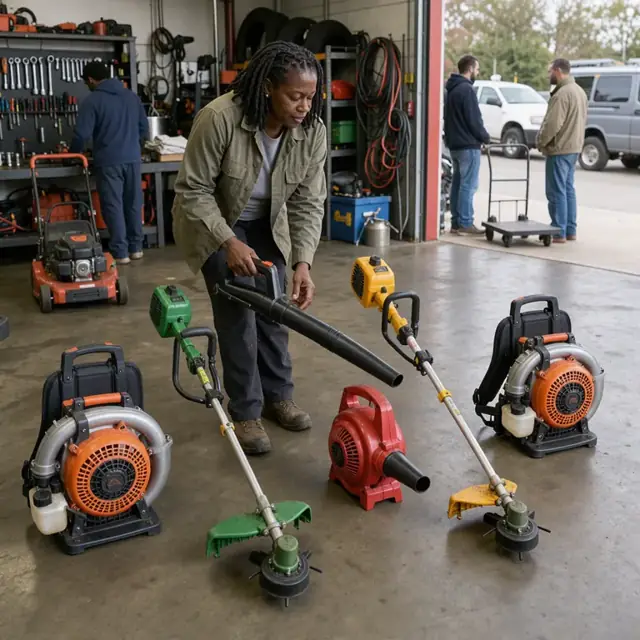
Seasonal Maintenance and Reminder Host
Track service history and send timely preventive maintenance offers before each season.
Works in: Ambitious Tasks, Email Buckets, Ambitious Sheets · Workflows: Seasonal preventive maintenance and reminders
Automates
- Reviews past repairs to suggest next service
- Drafts spring mower tune-up and fall saw sharpening campaigns
- Groups commercial fleet reminders by customer
- Tracks response and booking rates
Stops for a person
- The owner approves every customer message and offer
- Technicians confirm technical recommendations
Compliance and Shop Safety Clerk
Maintain checklists, track permit and certification dates and organize required safety and emissions records.
Works in: Ambitious Tasks, Ambitious Docs, Ambitious Sheets · Workflows: Regulatory and shop compliance tracking
Automates
- Generates monthly shop safety and waste checklists
- Tracks expiration dates for certifications and permits
- Keeps safety data sheets organized by chemical
- Prepares summary packets for audits
Stops for a person
- The owner confirms which local and state requirements apply each year
- All filings, inspections and corrective actions are performed by people
- The bot organizes documents but never certifies compliance
Workflows
Intake, diagnosis and repair estimate
Starts when: Customer brings equipment in, calls, emails or texts a service request
- Capture make, model, serial, symptoms, hours or mileage and any safety concerns
- Perform initial visual and operational check against common failure modes for that model
- Draft a written estimate for parts and labor with repair versus replace options
- Record customer authorization and desired pickup window
- Create a tagged work-order task with attached photos
Watch for: Exact model and serial needed to order correct parts and check recalls; Safety issues such as missing guards or fuel leaks must be noted before any work
Parts ordering and inventory control
Starts when: After estimate approval and weekly for stock items
- Explode the work-order list into required OEM and aftermarket part numbers
- Check on-hand stock and core inventory
- Draft purchase orders by supplier with lead-time and pricing
- Update inventory upon receipt and return cores
- Flag back-ordered parts and notify customers
Watch for: Many older machines require obsolete parts that must be located from multiple suppliers; Hazardous fluids and batteries require proper storage and disposal tracking
Technician scheduling and workflow
Starts when: Each morning and when new work is authorized
- Assign open work orders to available technicians by skill and current workload
- Sequence jobs to minimize equipment movement and tool changes
- Track time spent on diagnostics, disassembly, repair and reassembly
- Flag jobs that require shop equipment such as the valve grinder or tire machine
- Update status visible to customers
Watch for: Bay and lift capacity limit daily throughput; Specialty tools are shared and must be returned clean
Service execution and quality check
Starts when: When a work order is assigned to a technician
- Follow model-specific service manual steps for disassembly, cleaning, part replacement and reassembly
- Perform required safety and operational tests after repair
- Capture before-and-after photos and test data
- Complete the repair checklist for that equipment type
- Tag the unit as ready for final inspection
Watch for: Fuel system cleaning, blade sharpening and carburetor rebuilds are common and must follow exact torque specs; Emissions-related repairs must be documented for certain model years
Final billing, pickup and documentation
Starts when: When repair is marked complete
- Generate itemized invoice from parts used and time logged
- Draft pickup reminder with amount due and any warranty notes
- Prepare required emissions or safety paperwork for the customer
- Record equipment return condition and customer signature
- Close the work order and update inventory
Watch for: Warranty paperwork must be filed with the manufacturer within required windows; Hazardous waste manifests and disposal receipts must be kept
Seasonal preventive maintenance and reminders
Starts when: End of each season and on customer request
- Review past service records to suggest tune-ups or winterization
- Draft maintenance offers for mowers before spring and saws before fall
- Track equipment approaching recommended service intervals
- Generate multi-unit fleet summaries for commercial customers
- Log completed maintenance for warranty and resale value
Watch for: Many customers store equipment off-season and need timely reminders; Commercial landscapers require fleet-wide scheduling
Regulatory and shop compliance tracking
Starts when: Monthly and on renewal or inspection dates
- Generate monthly shop safety and hazardous-material checklists
- Track expiration of technician certifications, shop permits and insurance
- Maintain current safety data sheets for fuels, solvents and oils
- Log equipment calibration and maintenance for lifts and sharpeners
- Prepare documentation for random emissions or safety audits
Watch for: Local air-quality and waste-disposal rules vary and change yearly; The owner confirms which requirements apply to the shop
Bot templates for this industry
Source: U.S. Small Business Administration, Office of Size Standards, Table of Small Business Size Standards Matched to North American Industry Classification System Codes, version March 2023 (effective 2023-03-17, NAICS 2022). Size standards are shown for reference only.