

Footwear and Leather Goods Repair
Shoe repair shops and leather goods specialists take in worn boots, shoes, handbags, belts and jackets for stitching, sole replacement, zipper repair, dyeing and conditioning. For a shop handling walk-in repairs and online drop-off with a three-to-five day turnaround, the specialists turn intake notes into repair tickets, tickets into a daily bench schedule, parts orders and quality checks, while tracking tools, dyes, threads and leather stock. Pricing, material choices and final approval stay with the cobbler.
What makes this business different
- Intake inspection that records exact damage, material type, color and customer expectations for each item
- Variable repair times from same-day heel fixes to multi-day full sole and stitching work
- Tracking of customer-owned items through cleaning, repair, conditioning and pickup with chain of custody
- Inventory of soles, heels, zippers, threads, dyes, conditioners and small leather patches bought from multiple suppliers
- Bench scheduling that balances quick jobs with complex restorations without overbooking the cobbler's time
- Estimates, invoices and release forms that must be approved before work begins and before final pickup
- Seasonal spikes in boot and jacket repairs during fall and winter
- Compliance paperwork for waste disposal of solvents and old leather plus business licenses and insurance
Specialist bots
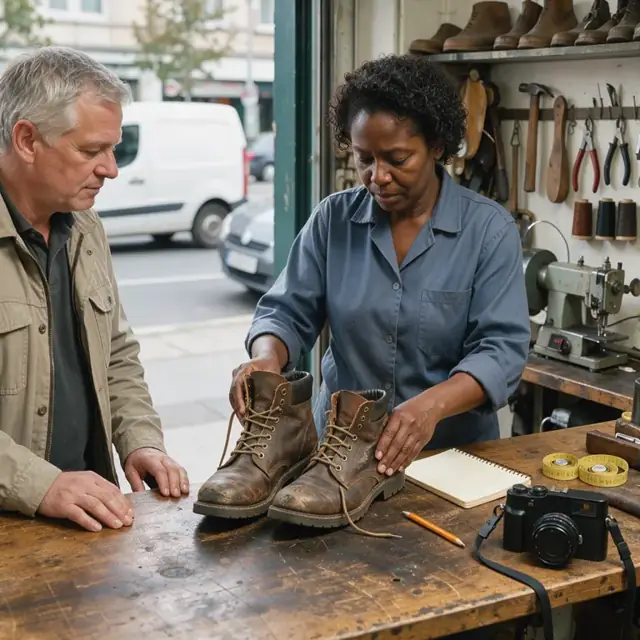
Intake and Inspection Clerk
Convert every incoming repair request into a photographed, estimated and approved repair ticket.
Works in: Ambitious Tasks, Ambitious Docs, Email Buckets · Workflows: Repair intake and inspection
Automates
- Reads incoming messages, forms and attached photos
- Populates ticket with item details, damage description and customer notes
- Drafts the labor and parts estimate
- Attaches intake photographs to the record
- Creates the tagged repair task
Stops for a person
- The cobbler reviews and adjusts every estimate
- A person obtains customer signature on the estimate and handles payment questions
- Owner confirms any non-standard repair requests
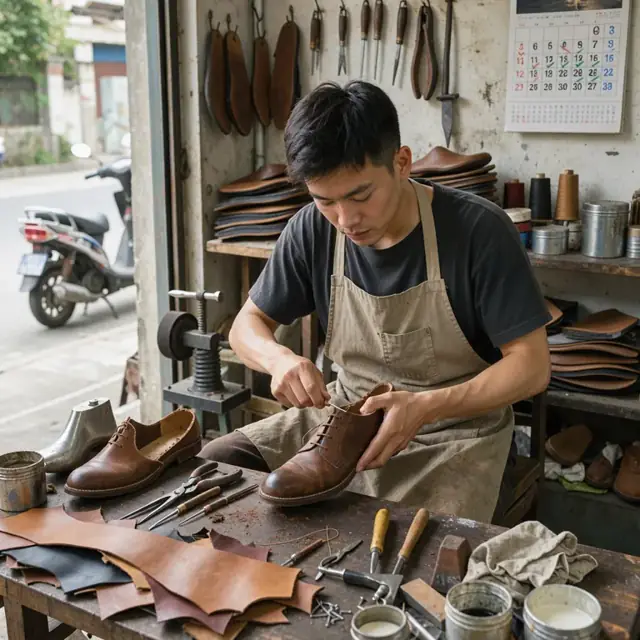
Bench Scheduler
Turn approved repair tickets into a daily bench schedule that respects due dates and drying times.
Works in: Ambitious Tasks, Ambitious Sheets, Process Optimizer · Workflows: Daily bench and repair scheduling
Automates
- Sorts open tickets by due date and complexity
- Assigns jobs to available bench time
- Flags parts shortages before scheduling
- Calculates realistic completion dates
- Generates the daily work sequence list
Stops for a person
- The cobbler reorders or rejects any assigned jobs
- Rush requests are approved by the owner before insertion
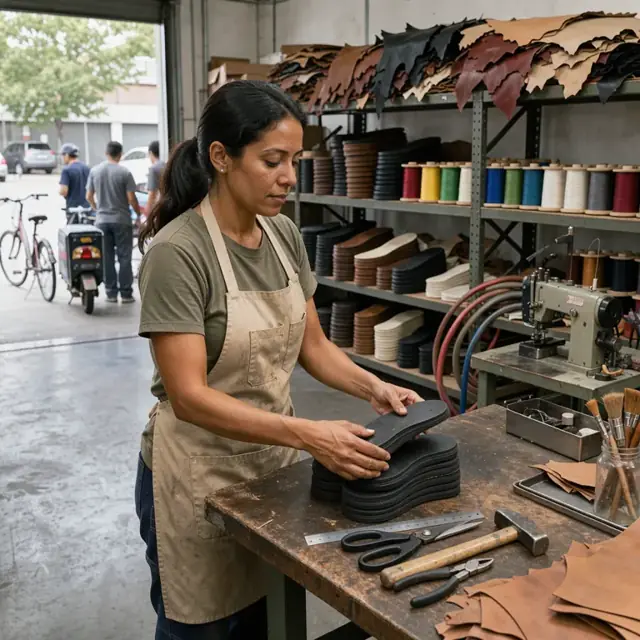
Parts and Materials Manager
Maintain stock of soles, heels, threads, leather and hardware so no job waits for parts.
Works in: Ambitious Sheets, Ambitious Tasks, Ambitious Docs · Workflows: Parts and materials purchasing and inventory
Automates
- Reviews tickets for required materials
- Calculates quantities needed after subtracting current inventory
- Drafts supplier orders by category
- Logs incoming stock and updates levels
- Sets low-stock alerts for seasonal items
Stops for a person
- The owner approves and places every parts order and spends money
- Material substitutions that affect quality are confirmed by the cobbler

Repair Quality Verifier
Check completed repairs against intake notes and photos before customer notification.
Works in: Ambitious Tasks, Ambitious Docs · Workflows: Repair execution and quality control, Final billing, release and pickup
Automates
- Compares finished item to original intake photographs and notes
- Verifies all requested repairs were completed
- Records time spent and materials actually used
- Generates the final itemized invoice draft
- Flags any discrepancies for review
Stops for a person
- The cobbler performs the physical repair and does the final hands-on quality check
- Owner approves any additional charges before invoicing

Customer Communication Host
Notify customers when repairs are ready, collect feedback and encourage seasonal return visits.
Works in: Email Buckets, Ambitious Tasks, Ambitious Docs · Workflows: Customer communication and repeat service, Final billing, release and pickup
Automates
- Drafts ready-for-pickup notifications with time windows
- Creates thank-you notes with care instructions
- Reminds past customers of seasonal services such as boot weatherproofing
- Prepares maintenance package offers
- Updates customer preference notes
Stops for a person
- The owner reviews and approves every message before it is sent
- A person handles payment collection and item release at pickup

Compliance and Maintenance Tracker
Keep shop permits, waste logs, equipment maintenance and safety data sheets current.
Works in: Ambitious Tasks, Ambitious Sheets, Ambitious Docs · Workflows: Permit, license and shop maintenance tracking
Automates
- Generates monthly shop maintenance checklists
- Tracks renewal dates for licenses and insurance
- Logs disposal of solvents and leather waste
- Maintains current safety data sheets
- Schedules sewing machine and tool servicing
Stops for a person
- The owner confirms which local regulations apply to the shop
- All filings, inspections and corrective actions are performed by people
- The bot never certifies compliance
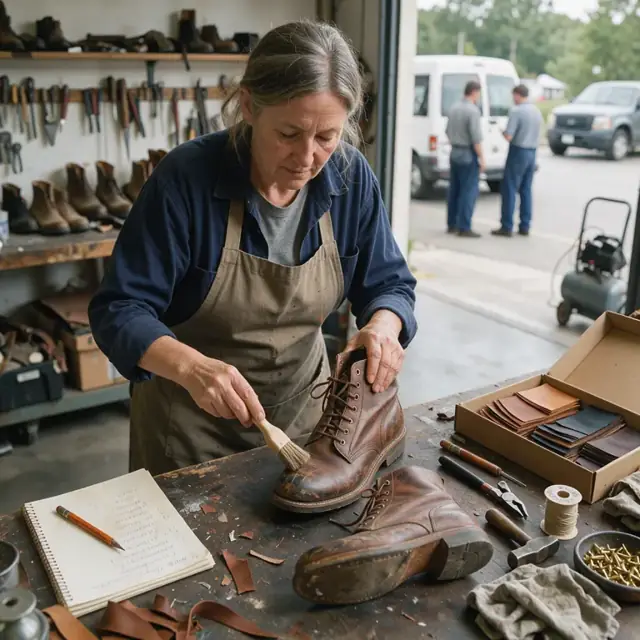
Repair Estimator
Build accurate labor and materials estimates from intake photos and damage notes.
Works in: Ambitious Tasks, Ambitious Docs, Contract Analyzer · Workflows: Repair intake and inspection
Automates
- Analyzes intake photos and notes for required repair steps
- Pulls historical pricing for similar jobs
- Drafts detailed estimates with parts and labor breakdowns
- Flags jobs needing special materials or extended bench time
Stops for a person
- The cobbler reviews and adjusts every estimate before it reaches the customer
- A person obtains customer signature on the estimate
Workflows
Repair intake and inspection
Starts when: A customer brings an item in person, ships it or submits photos by email or form
- Record customer contact, item description, material, color and exact damage noted by the cobbler
- Photograph the item from multiple angles and attach to the ticket
- Draft an estimate for labor and parts
- Create a tagged repair ticket with priority and due date
- Obtain customer approval of the estimate before any work begins
Watch for: Damage must be described precisely so the cobbler can match thread and leather; Customer items must be tagged and stored securely until work starts
Daily bench and repair scheduling
Starts when: Each morning and when new approved jobs arrive
- List all open tickets by due date and complexity
- Assign jobs to the cobbler's bench time balancing quick fixes and long restorations
- Flag jobs needing parts that are not yet in inventory
- Update expected pickup or delivery dates
- Print or display the day's work order sequence
Watch for: Some repairs require drying or curing time that blocks the same bench station; Walk-in rush jobs must be slotted without delaying committed due dates
Parts and materials purchasing and inventory
Starts when: Weekly and when a ticket flags missing parts
- Review open tickets for required soles, heels, zippers, thread colors and leather swatches
- Subtract current stock levels from needs
- Draft purchase orders by supplier for rubber, leather, hardware and conditioning products
- Receive and log new stock into inventory sheets
- Track low-stock alerts for seasonal items such as boot soles
Watch for: Many parts are size and color specific and cannot be substituted; Leather and dyes have shelf-life and storage requirements
Repair execution and quality control
Starts when: When a job reaches the top of the bench schedule
- Pull the item and its ticket with attached photos
- Perform the repair steps in sequence: disassembly, stitching, gluing, sole attachment, finishing
- Record time spent and any unexpected findings
- Condition and clean the item after repair
- Perform final quality check against the original intake notes
Watch for: Each material type requires specific techniques and adhesives; The cobbler must approve any deviation from the original estimate
Final billing, release and pickup
Starts when: When a repair is completed and ready for customer notification
- Calculate final charges including any additional parts or labor
- Draft an itemized invoice and release statement
- Notify the customer that the item is ready with pickup window or delivery option
- Record payment and generate a receipt
- Log the item as returned to customer and close the ticket
Watch for: Items cannot be released without signed approval and payment; Customers sometimes request additional small fixes at pickup
Customer communication and repeat service
Starts when: After pickup and on seasonal cadences
- Draft a thank-you note with care instructions for the repaired item
- Ask for photos or feedback on the repair quality
- Remind past customers of upcoming seasonal repair needs such as winter boot conditioning
- Draft targeted offers for maintenance packages
- Update customer notes on preferred materials and past repairs
Watch for: All outbound messages require owner approval before sending; Repeat customers expect continuity in repair style and materials
Permit, license and shop maintenance tracking
Starts when: Monthly and on renewal dates
- Generate monthly checklist for solvent disposal, tool calibration and shop cleanliness
- Track business license, liability insurance and any required trade certifications
- Log waste disposal manifests for adhesives and leather scraps
- Maintain material safety data sheets for dyes and solvents
- Schedule equipment maintenance such as sewing machine servicing
Watch for: Local rules on chemical disposal vary by municipality; The owner confirms which requirements apply to the specific shop
Bot templates for this industry
- Footwear and Leather Goods Repair (7 bots)
Source: U.S. Small Business Administration, Office of Size Standards, Table of Small Business Size Standards Matched to North American Industry Classification System Codes, version March 2023 (effective 2023-03-17, NAICS 2022). Size standards are shown for reference only.