

Industrial Launderers
Industrial launderers collect soiled uniforms, linens, towels, mats and mops from commercial accounts, process them in large batches through wash, dry, fold or press lines, and deliver clean replacements on fixed weekly routes. The specialists convert pickup requests and route stops into confirmed manifests, turn manifests into wash formulas and batch schedules, manage linen and uniform inventory across accounts, and keep delivery routes, repair tracking and safety logs current. Wash chemistry, machinery maintenance and regulatory paperwork stay with the plant operators.
What makes this business different
- Recurring weekly or bi-weekly service contracts with fixed pickup and delivery days for each account
- Large batch processing of mixed soil types requiring specific wash formulas, temperatures and chemical dosing
- Tracking of individual customer-owned or rental items such as embroidered uniforms, numbered linens and specialty mats
- Soil sorting, stain treatment, repairs, and quality checks before folding or pressing
- Route trucks that must carry both clean and soiled goods without cross-contamination
- Maintenance logs for commercial washers, dryers, ironers and folders plus water recycling and effluent compliance records
- Inventory reconciliation so each account receives the correct quantity and type of clean goods every cycle
Specialist bots

Route Manifest Clerk
Convert every pickup request and driver scan into an accurate digital manifest matched to the account contract.
Works in: Ambitious Tasks, Ambitious Docs, Email Buckets · Workflows: Route stop intake and manifest confirmation
Automates
- Reads incoming service requests and scans
- Compares quantities against standing orders and prior cycles
- Flags discrepancies and special handling notes
- Generates the manifest and customer receipt draft
Stops for a person
- Plant supervisor reviews large variances before the load is accepted
- A person approves any changes to contract quantities
- Driver confirms physical count matches the digital manifest
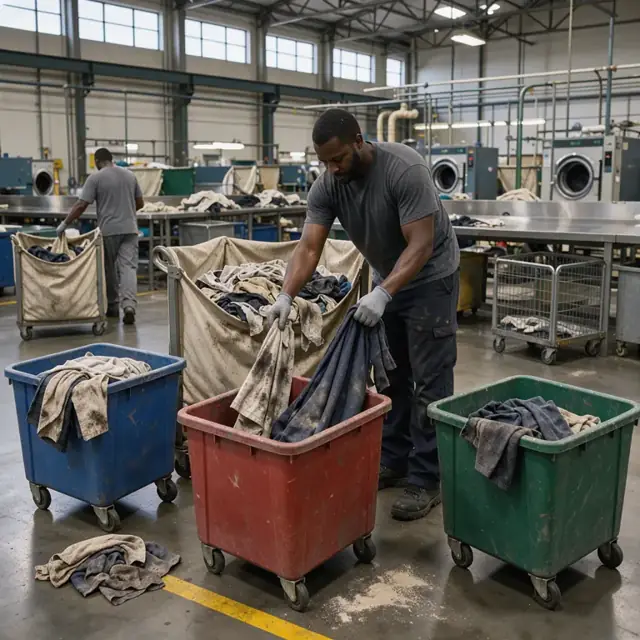
Soil Classification Scheduler
Sort incoming soiled goods and assign each batch the correct wash formula and machine schedule.
Works in: Ambitious Tasks, Process Optimizer, Ambitious Sheets · Workflows: Soil classification and wash scheduling
Automates
- Groups loads by soil type, color and customer category
- Assigns standard wash formulas and cycle parameters
- Builds the daily machine schedule and flags pre-treat items
- Creates production tickets that follow each batch
Stops for a person
- The washroom lead adjusts formulas for unusual soil conditions
- A person verifies separation of incompatible load types
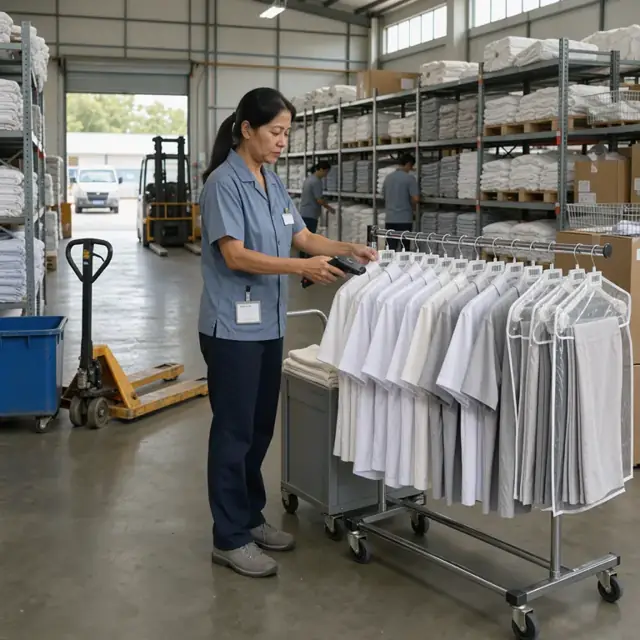
Inventory Reconciler
Reconcile clean and soiled counts for every account after each cycle and maintain accurate par levels.
Works in: Ambitious Sheets, Ambitious Tasks, Ambitious Docs · Workflows: Linen and uniform inventory reconciliation
Automates
- Compares returned clean quantities against soiled receipts
- Updates perpetual inventory records by customer and item
- Calculates usage and flags items below par
- Prepares reorder and repair lists
Stops for a person
- The account manager reviews and approves all replacement purchases
- A person investigates and resolves persistent inventory shortages
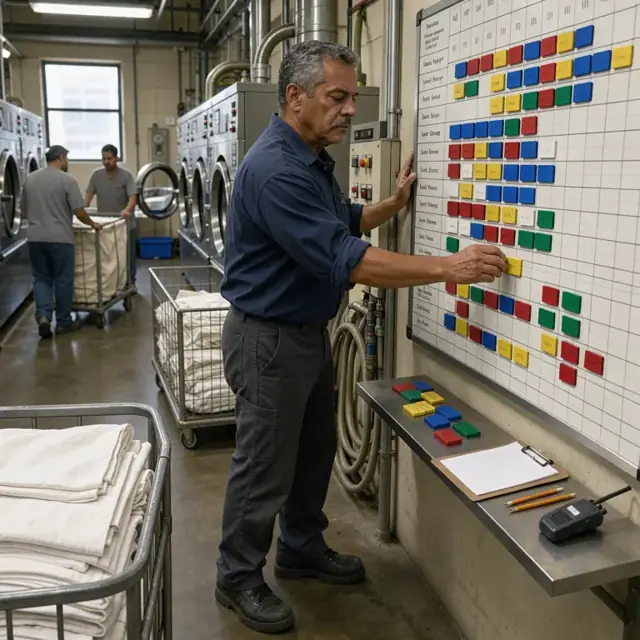
Production Capacity Planner
Forecast daily and weekly volume then assign machines, formulas and staff to prevent bottlenecks.
Works in: Process Optimizer, Ambitious Sheets, Ambitious Tasks · Workflows: Production and capacity planning
Automates
- Loads route manifests and volume forecasts
- Assigns washers, dryers and finishers to specific batches
- Identifies capacity constraints and suggests schedule changes
- Reserves time for urgent or maintenance work
Stops for a person
- The plant manager approves changes to shift staffing or overtime
- A person confirms equipment maintenance windows

Clean Goods Inspector and Repair Coordinator
Inspect finished goods for quality, route damaged items for repair and prepare customer orders for delivery.
Works in: Ambitious Tasks, Ambitious Docs, Ambitious Sheets · Workflows: Clean goods inspection, repair and folding
Automates
- Creates inspection checklists for each batch
- Generates repair tickets and tracks turnaround
- Assembles exact order quantities and applies labels
- Flags items that fail quality standards
Stops for a person
- A person performs the final visual quality check before goods leave the department
- The owner approves any items designated for retirement or replacement

Delivery Route Dispatcher
Prepare clean goods for each truck, generate route manifests and capture proof of delivery at every stop.
Works in: Ambitious Tasks, Ambitious Docs · Workflows: Delivery route dispatch and proof of delivery
Automates
- Loads carts in route sequence
- Creates route sheets with time windows and notes
- Drafts customer arrival messages
- Records signatures and photos as proof of delivery
Stops for a person
- Drivers approve route changes due to traffic or customer requests
- A person reviews and sends all customer communications

Maintenance and Compliance Clerk
Maintain daily equipment checklists, log resource usage and track all maintenance and permit due dates.
Works in: Ambitious Tasks, Ambitious Sheets, Ambitious Docs · Workflows: Equipment maintenance and compliance logging
Automates
- Generates operator checklists for each machine
- Records water, chemical and effluent data
- Tracks preventive maintenance schedules
- Warns before permits and insurance need renewal
Stops for a person
- Plant engineers confirm and sign off on all maintenance and repair records
- The owner reviews and confirms which regulatory requirements apply to the facility
Workflows
Route stop intake and manifest confirmation
Starts when: A customer calls, emails or the driver scans a QR code at pickup
- Capture the number and type of soiled items presented at the stop
- Compare against the account's standing contract and previous delivery quantities
- Note any special instructions, stains, repairs or new items added
- Generate a digital manifest for the load and mark the stop complete
- Draft a receipt for the customer and flag discrepancies for review
Watch for: Accurate counts prevent inventory drift over multiple cycles; Driver must photograph unusually soiled or damaged goods before loading
Soil classification and wash scheduling
Starts when: Soiled goods arrive at the plant from routes
- Sort incoming loads by fabric type, color, soil level and customer category
- Assign each batch to a wash formula with specific chemicals, temperature and cycle time
- Schedule batches against available washer and dryer capacity for the shift
- Flag items needing pre-treatment, mending or special handling
- Create a production ticket that travels with each cart or sling
Watch for: Heavy industrial soil requires separate pre-wash and stronger chemistry; Cross-contamination rules between food-service and industrial uniforms
Linen and uniform inventory reconciliation
Starts when: After each clean and soiled cycle and monthly per account
- Count clean goods returned from the prior delivery against soiled goods received
- Adjust the perpetual inventory record for each account and item type
- Identify and log missing, damaged or retired items
- Draft reorder or repair lists when par levels drop below target
- Generate a usage report for the account showing loss and replacement rates
Watch for: Uniforms with embroidery or logos must be tracked individually; Rental versus customer-owned goods follow different accounting paths
Production and capacity planning
Starts when: Daily before first shift and weekly
- Load yesterday's route manifests and today's incoming volume forecast
- Assign wash, dry, press and fold equipment to specific formulas and customers
- Use the process optimizer to identify bottlenecks in the current schedule
- Adjust staffing or shift times when volume exceeds standard throughput
- Reserve capacity for urgent or one-off large accounts
Watch for: Machinery downtime for maintenance must be planned around route commitments; Water and energy usage tracked per batch for cost and regulatory reporting
Clean goods inspection, repair and folding
Starts when: After drying or pressing cycle completes
- Inspect each item for cleanliness, damage and proper finish
- Route torn or worn items to the repair station with a repair ticket
- Fold, press or roll goods according to customer specifications
- Assemble each account's exact order quantity onto carts or in bags
- Apply customer-specific labels, barcodes or RFID tags
Watch for: Certain linens require precise folding patterns or packaging for presentation; Repaired items must be re-inspected before they return to inventory
Delivery route dispatch and proof of delivery
Starts when: Morning of each delivery day
- Load clean goods carts onto trucks in reverse stop order
- Generate route sheets with time windows, account notes and manifest
- Draft customer notifications for delayed or early arrivals
- Capture proof of delivery signatures or photos at each stop
- Record any customer adjustments or new soil pickups for the next cycle
Watch for: Clean and soiled compartments on the truck must remain separated; Temperature-sensitive items such as food-service linens have holding requirements
Equipment maintenance and compliance logging
Starts when: Daily, weekly and on scheduled maintenance dates
- Generate daily machine checklists for operators including chemical levels and pressures
- Log water usage, effluent readings and chemical consumption per shift
- Track preventive maintenance due dates for each piece of equipment
- Maintain records of boiler, wastewater and fire-suppression inspections
- Alert before permits, licenses or insurance policies require renewal
Watch for: Local wastewater discharge limits and reporting rules vary by municipality; All logs must be kept for the period required by the authority having jurisdiction
Bot templates for this industry
- Industrial Launderers (7 bots)
Source: U.S. Small Business Administration, Office of Size Standards, Table of Small Business Size Standards Matched to North American Industry Classification System Codes, version March 2023 (effective 2023-03-17, NAICS 2022). Size standards are shown for reference only.